Featured
Balancing Macros at Every Meal Without Tracking Every Gram
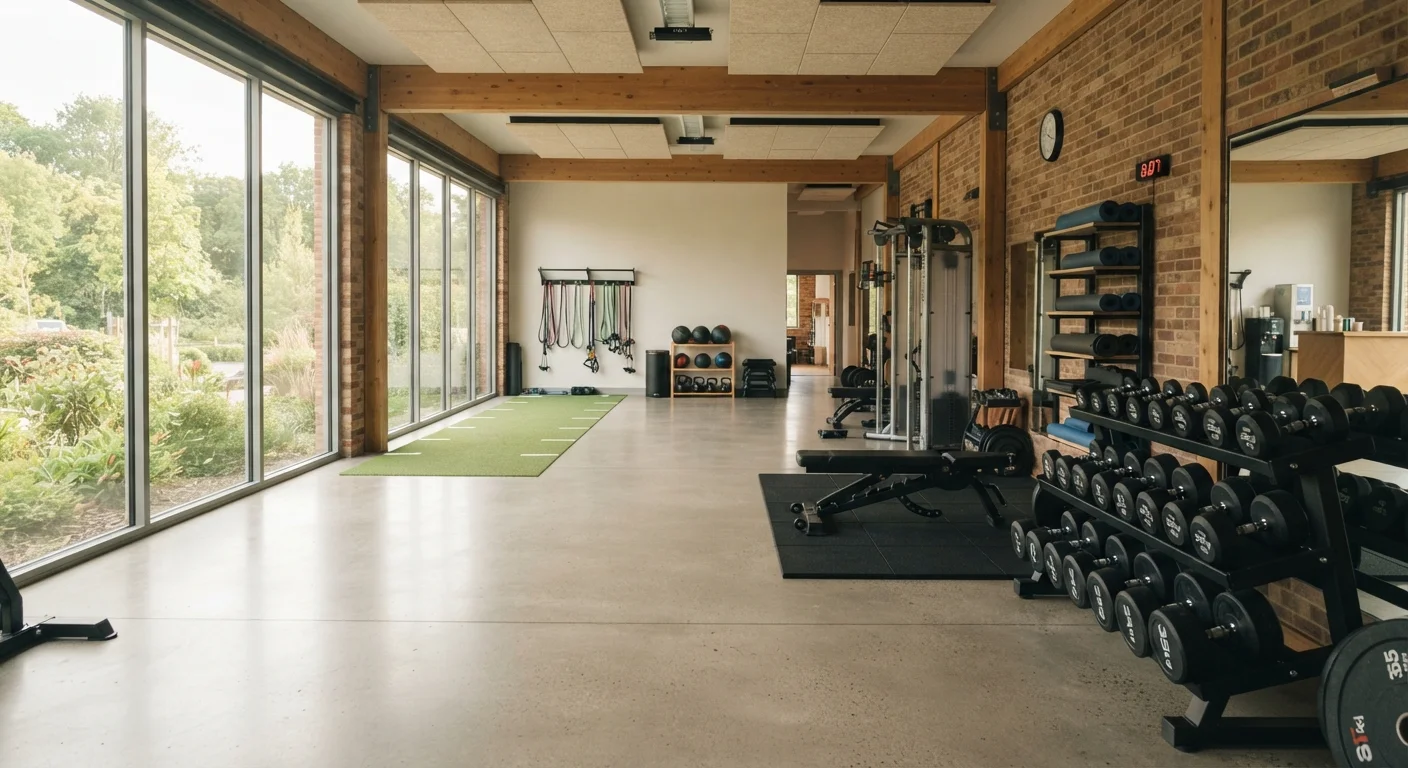
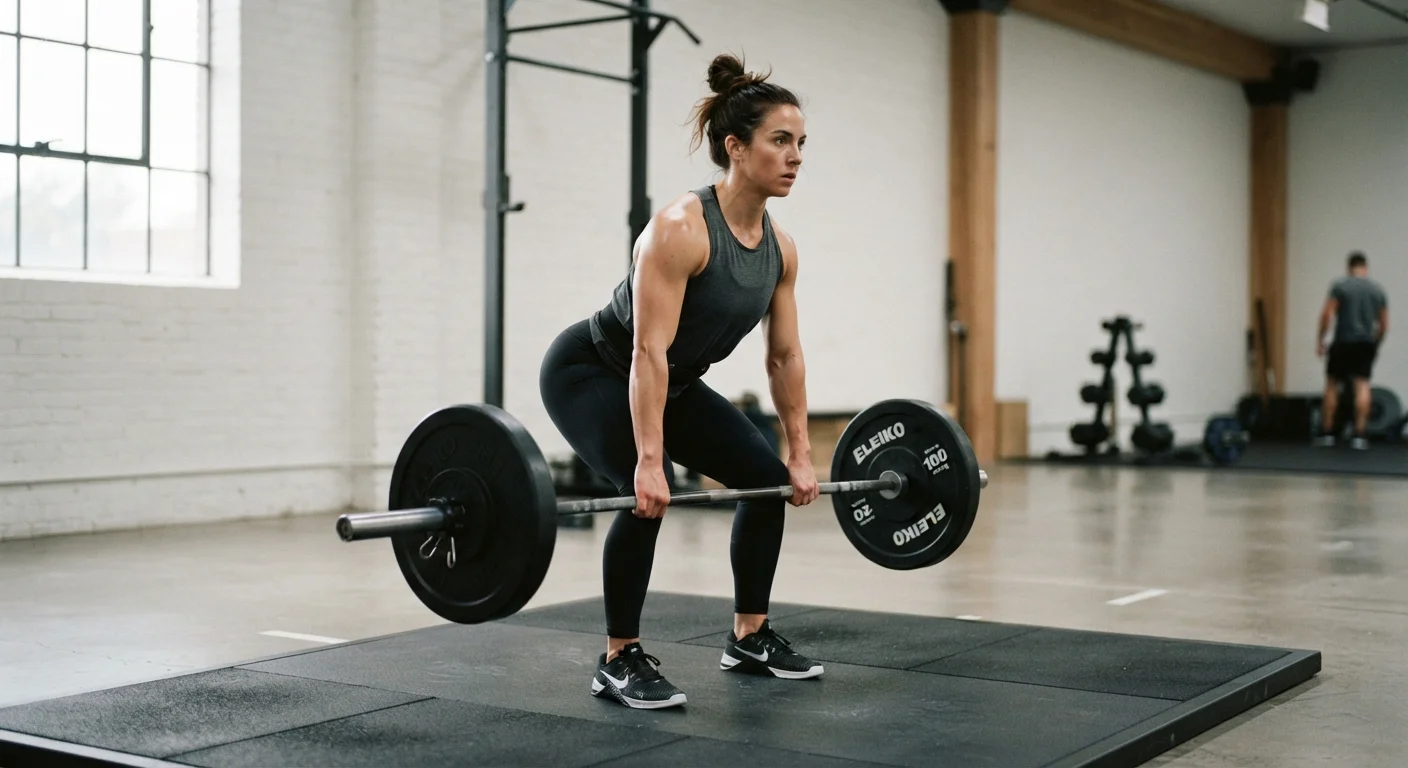
Before Your First Gym Session: A Practical Readiness Checklist
A Weekly Self-Check for Monitoring Your Stress Levels
Circadian Rhythms vs. Sleep Pressure: The Two Forces That Control When You Fall Asleep
Age-by-Age Screening Schedule for American Adults
Approaching Your Weight Without Diet-Culture Bias
Body Scan Meditation: What It Is and How It Works
Topics
Search
Enter at least 3 characters
Trusted guidance on Health Wellness And Fitness.
48 articles · Updated Sep 2026
From footwear to hydration to understanding equipment etiquette, this checklist covers wha…
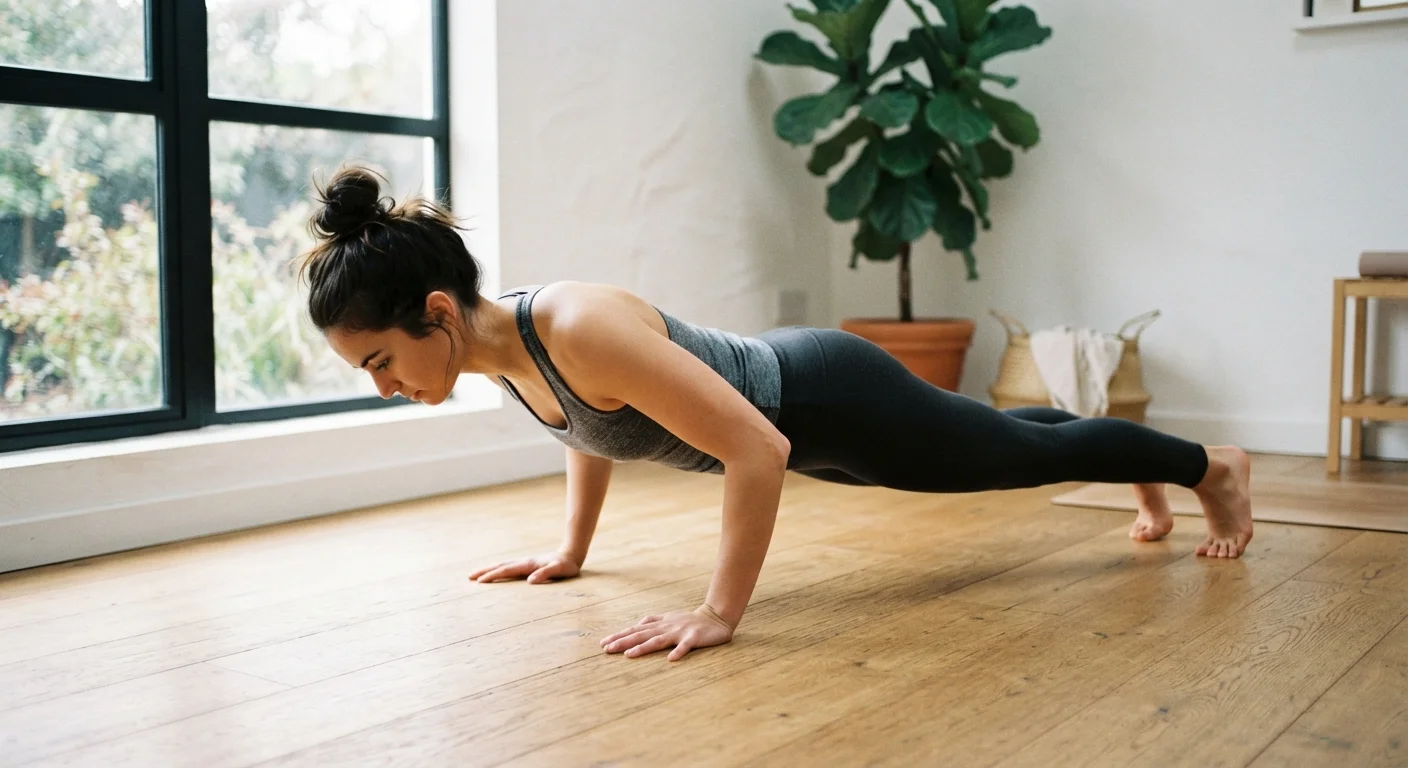
No equipment needed—but there are real limits. Here's an honest look at the strengths and …
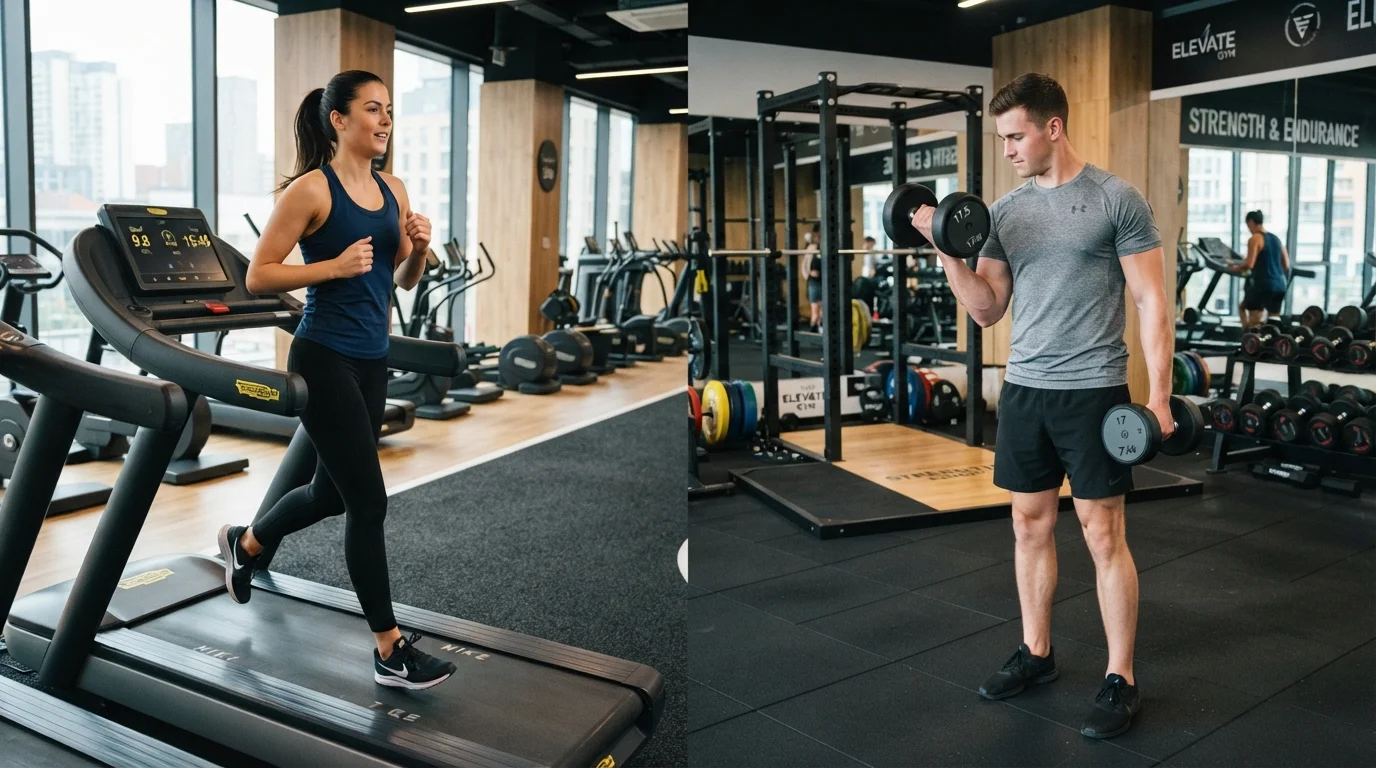
Should you hit the treadmill or the weights first? Here's a balanced look at both approach…
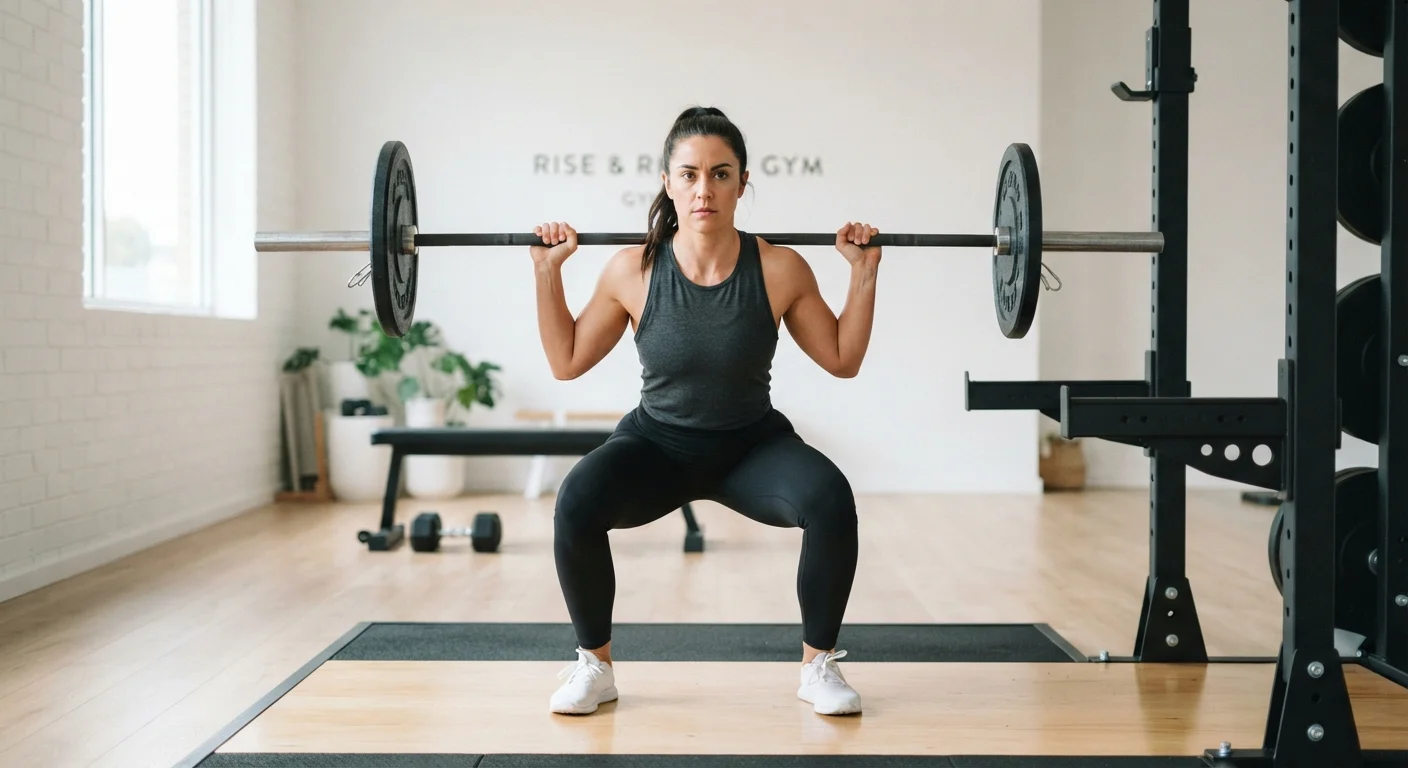
Poor form can slow progress and raise injury risk. Here are the most frequent technique er…
Compound movements work multiple muscles at once; isolation exercises target one. Understa…
A clear, no-jargon reference covering the workout vocabulary you'll encounter most—from AM…
More isn't always better when it comes to working out. Explore what research suggests abou…
Workout plans can look intimidating at first glance. This walkthrough explains common nota…
Push, pull, hinge, squat, carry, and rotate—these six movement patterns form the basis of …
Progressive overload is the core idea behind getting stronger, fitter, or more endurance-c…
Confused by gym terminology? Here's a plain-language breakdown of reps, sets, and rest per…
Getting back into exercise after months or years away? This guide covers where to start, h…
Aerobic and anaerobic exercise both matter for fitness, but they work differently. Learn w…
Rest days aren't laziness—they're when adaptation happens. Learn what the body does on off…
Not all soreness signals growth, and not all pain should be ignored. Learn how to tell the…
Skipping your warm-up might feel like a time-saver, but it raises injury risk and reduces …
The 10,000-step goal is widely repeated, but its origins and meaning are often misundersto…
Everything you need to understand about incorporating more movement into ordinary life—cov…
A practical starting point for office workers and remote employees who want to move more w…
Use this straightforward checklist to spot the hours in your day where movement drops off …
Family life offers natural opportunities for shared movement—from evening walks to active …
Health guidelines frequently reference light, moderate, and vigorous activity—but what sep…
Short movement breaks throughout the day can add up meaningfully. Learn how movement snack…
Non-exercise activity thermogenesis (NEAT) accounts for a surprising share of daily energy…
Active commuting — walking, cycling, or mixing transit with walking — is one of the most c…
Pairing movement with existing habits — like walking during calls or stretching before cof…
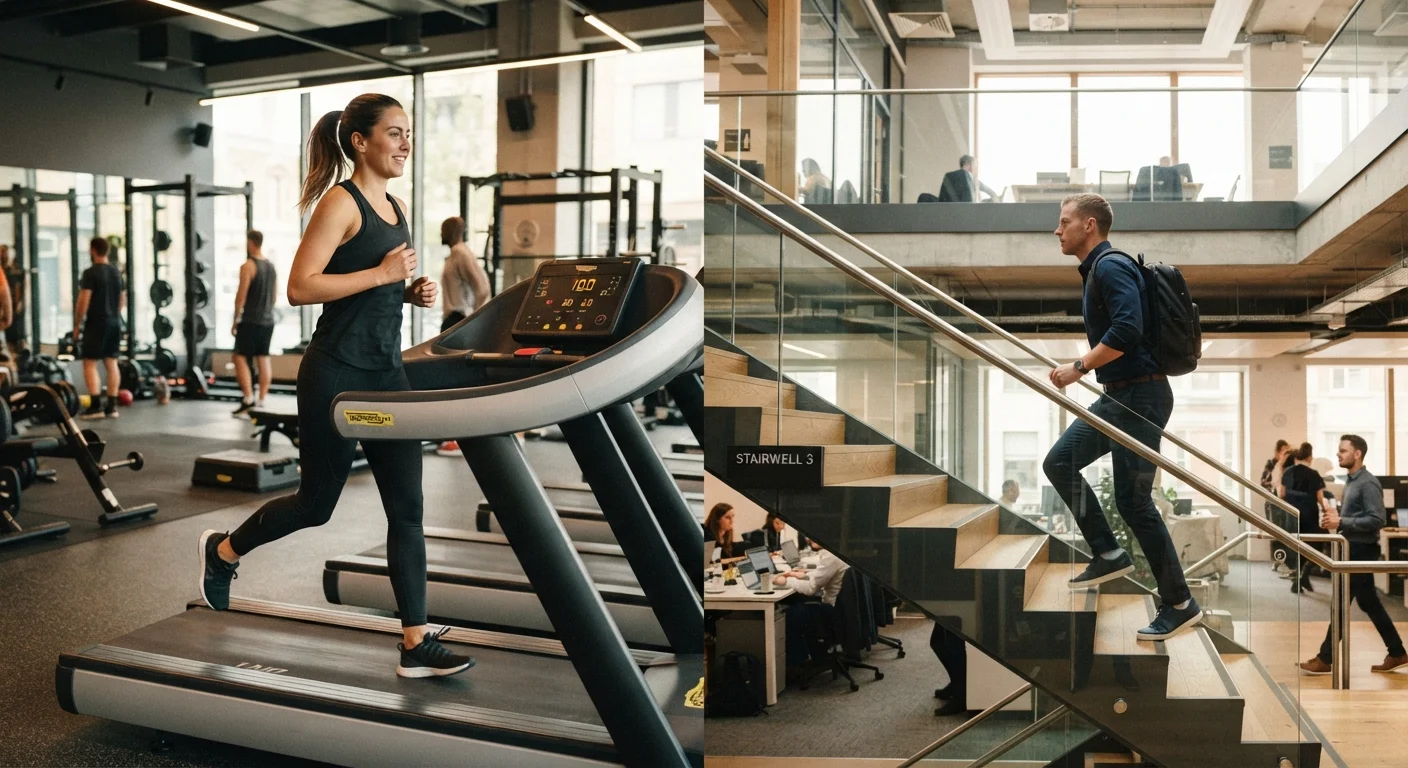
Gym workouts and incidental daily movement both contribute to health, but in different way…
Walking while talking is a simple way to add movement to workday conversations. Here's an …
From parking farther away to taking the stairs, everyday routines hold more movement poten…
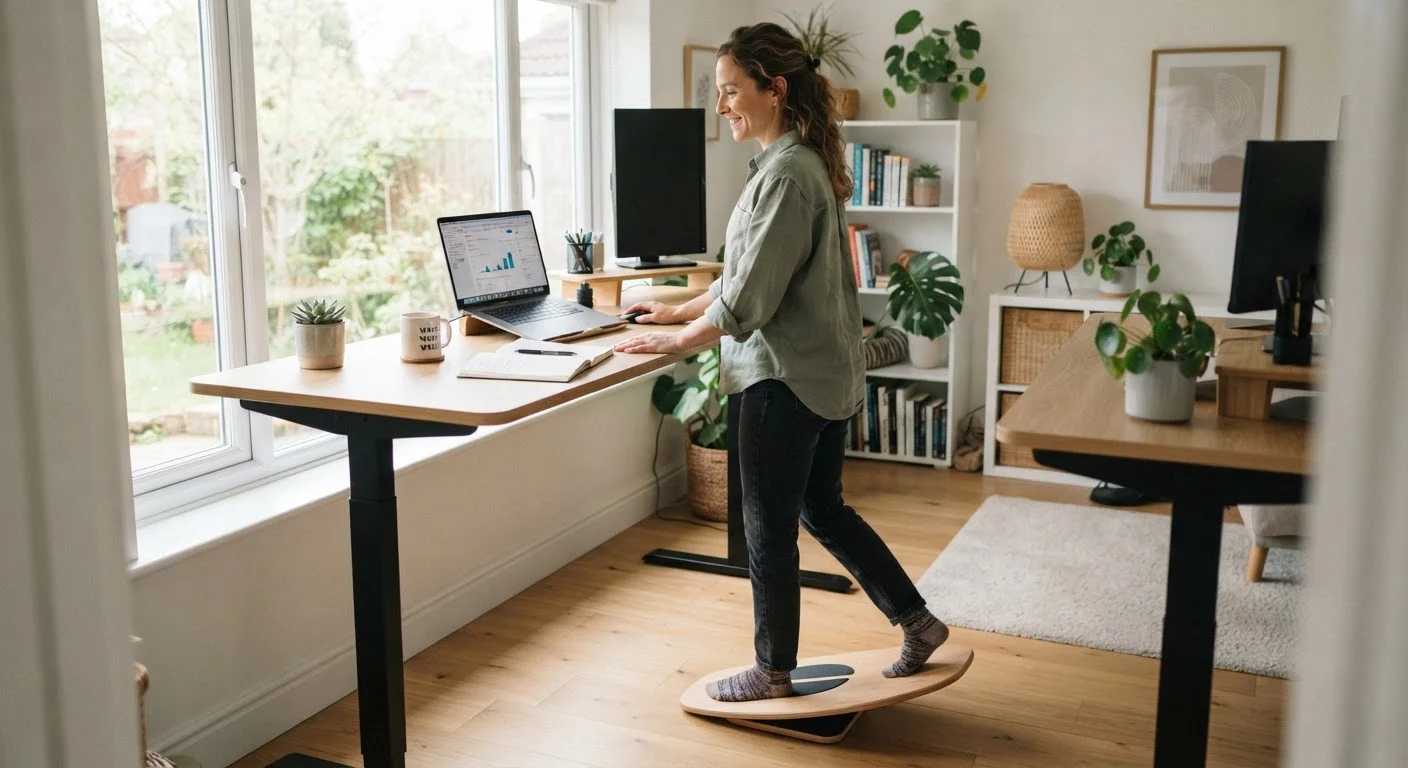
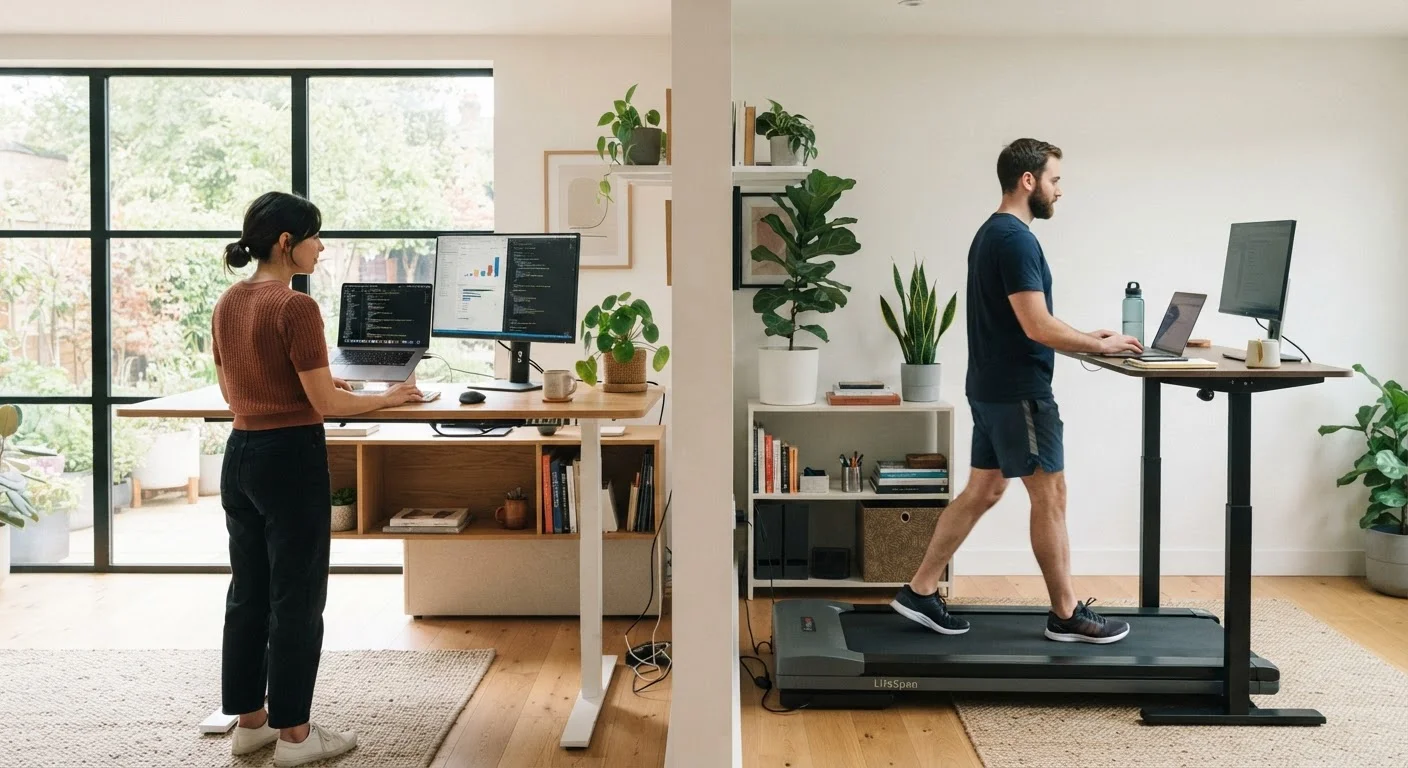
Standing desks and treadmill desks both aim to reduce sitting time, but they work differen…
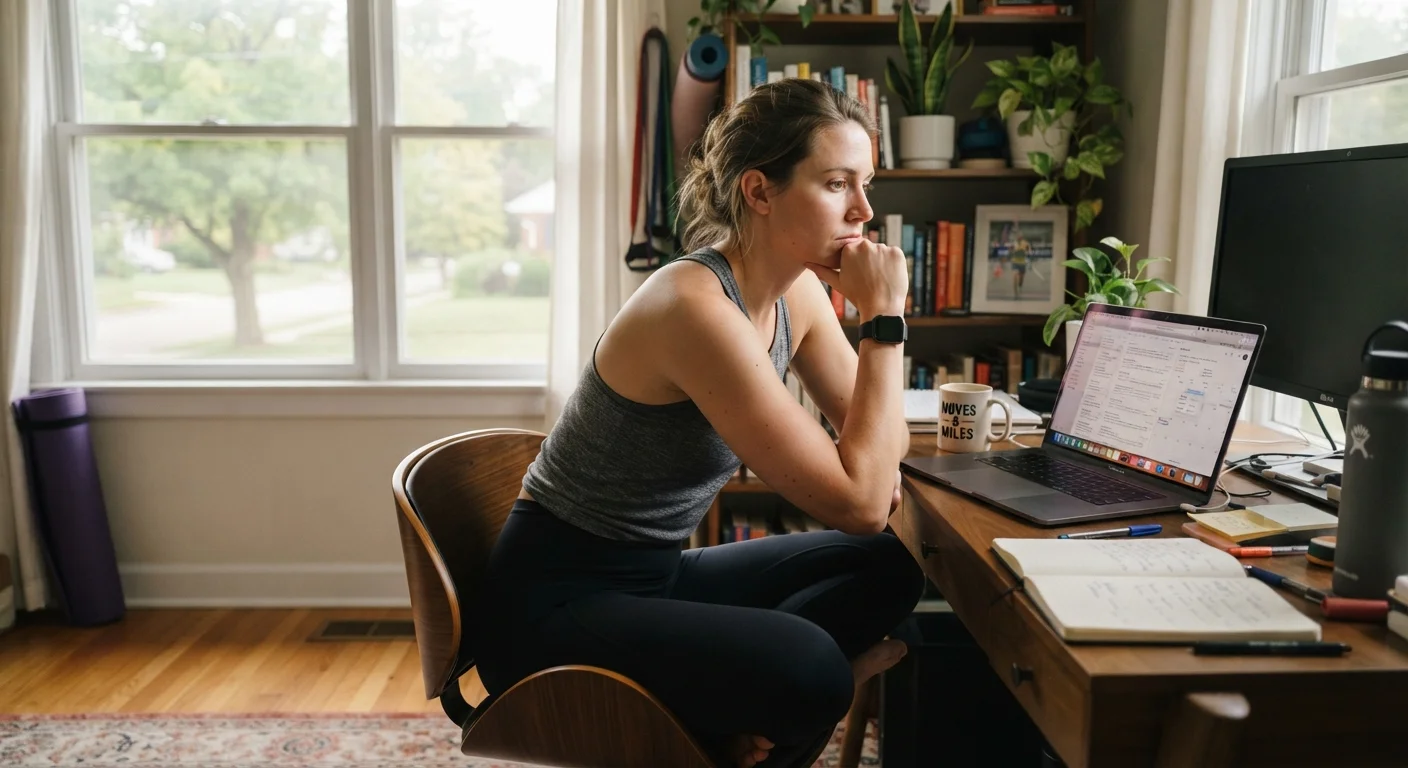
Research suggests prolonged sitting carries health risks independent of gym time. Understa…
Many people plan to move more but struggle to follow through. These common missteps explai…
A practical checklist covering mobility, warm-up, hydration, and readiness factors to asse…
A complete introduction to designing a physical conditioning plan that addresses strength,…
Core training is widely recommended, but the difference between stability and strength in …
Functional strength goes beyond lifting heavy. Learn what it is, how it differs from gym-f…
Effective strength training is organized around fundamental movement patterns, not muscle …
Progressive overload is the foundation of strength development. Learn what it is, how it w…
Loaded stretching combines resistance and range of motion to build flexibility and strengt…
Static and dynamic stretching serve different purposes. This breakdown helps you understan…
Many people treat strength and flexibility as competing goals. Here's why they work togeth…
Physical capacity shifts with age, but many changes are more manageable than people assume…
A plain-language glossary of the most important terms in strength and flexibility training…
From "you need to hold stretches for 60 seconds" to "stretching prevents injury," several …
Flexibility and mobility are often used interchangeably, but they describe different thing…
Being naturally very flexible isn't always an advantage. Learn why hypermobile individuals…
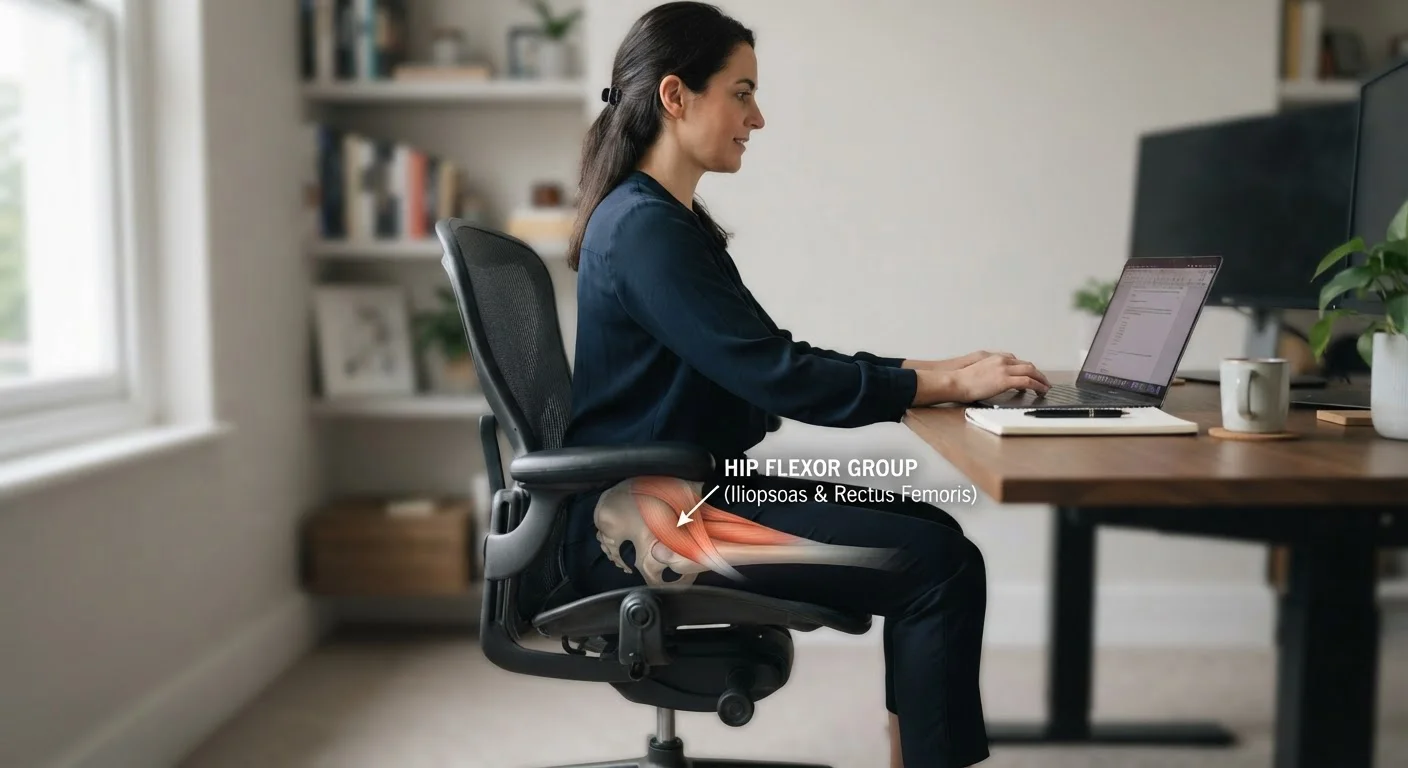
Hip tightness is one of the most reported movement complaints. Explore the real causes and…
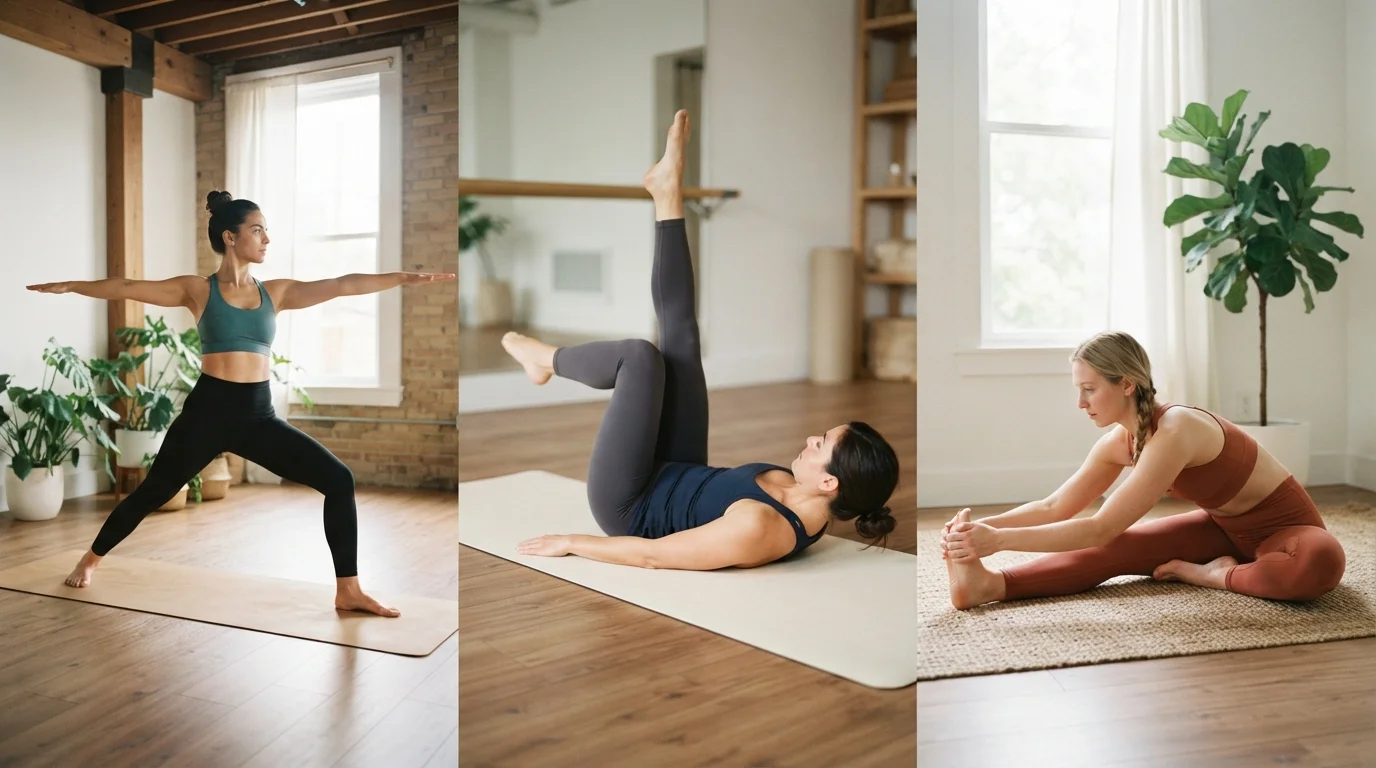
Yoga, Pilates, and traditional stretching all improve flexibility through different means.…