

Fitness & Movement

Before Your First Gym Session: A Practical Readiness Checklist

Share
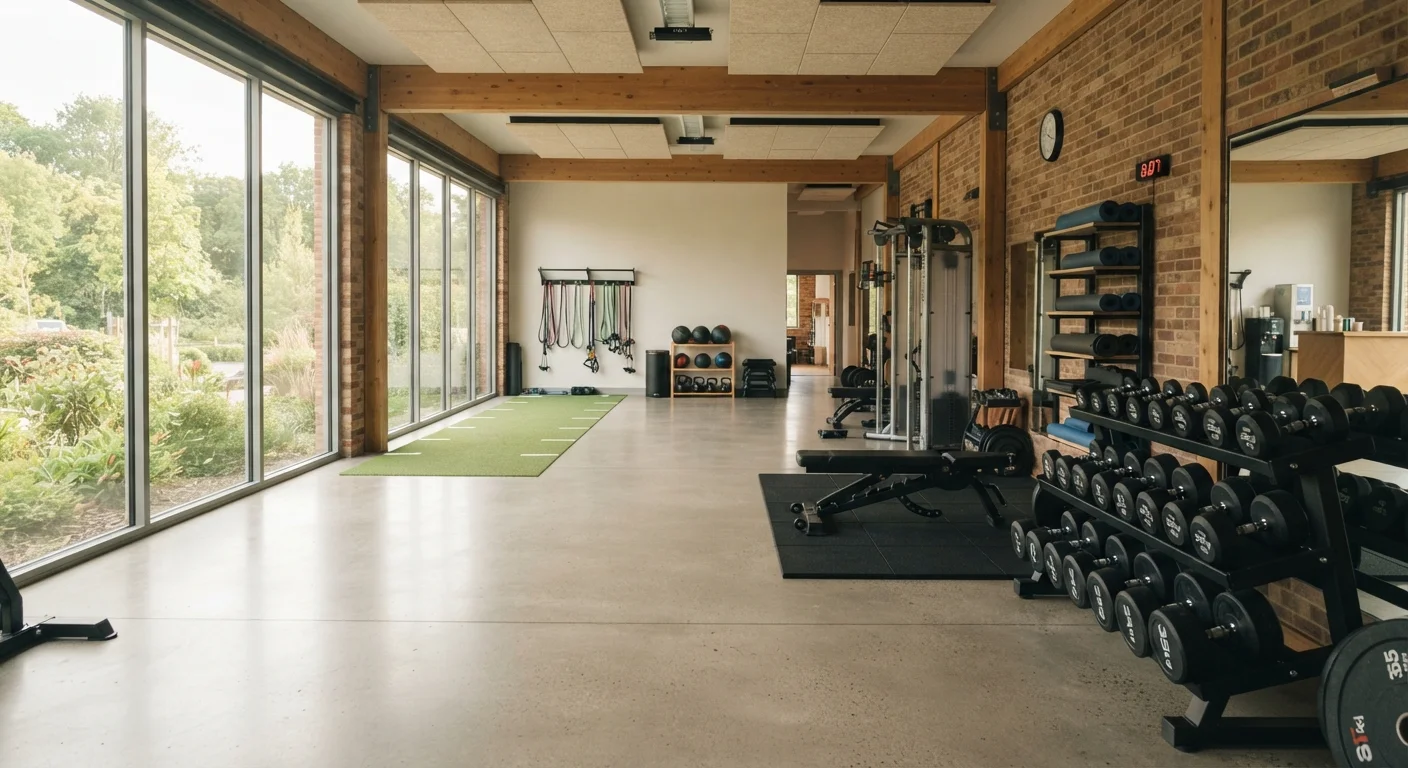
Bright, organized gym interior with free weights, open floor space, and natural light

Key Takeaways

Confirm your health clearance before starting any new exercise program, especially after a long break.
Proper footwear and clothing are functional safety decisions, not just comfort choices.
Understanding basic gym etiquette prevents awkward moments and keeps your first session stress-free.
Arriving with a simple plan — even one exercise — beats walking in with no direction.
Hydration and a light pre-workout snack meaningfully affect your energy and focus.
30–60 min

Summary

22 items · 30–60 minutes

Why a First-Session Checklist Actually Matters

Walking into a gym for the first time — or after a long absence — can feel overwhelming. Equipment lines the walls, regulars move with obvious confidence, and it can be hard to know where to start. A short but thorough checklist removes a surprising amount of that friction before you ever walk through the door.

This isn't about perfection. It's about showing up prepared enough that your energy goes toward moving your body, not toward figuring out where the locker room is or whether you brought the right shoes. Think of this as your pre-flight check: quick, systematic, and genuinely useful.

If you run into unfamiliar terms on workout plans or equipment labels, our guide to essential fitness terms can help you decode the vocabulary before you arrive.

Health & Medical Clearance

Check with your doctor or a qualified healthcare professional if you have any chronic conditions, recent injuries, or haven't been active in over a year. Must
Disclose any relevant health history when completing the gym's intake or membership forms — these forms exist to protect you. Must
Review our physical exam preparation checklist if your last check-up was more than a year ago. Should

Gear & Clothing

Select athletic shoes with lateral support appropriate for gym training — not running-only shoes if you plan to lift or do floor work. Must
Wear form-fitting or flexible clothing that won't restrict movement or catch on equipment handles. Must
Pack a small personal towel to wipe down machines and benches after use. Must
Bring a reusable water bottle so you can hydrate throughout your session without interruption. Must
Consider bringing a combination lock if the gym offers lockers — check whether the facility provides them. Should

Nutrition & Hydration

Eat a light, balanced snack containing carbohydrates and some protein roughly 60–90 minutes before your session to support energy levels. Should
Drink water consistently in the hours leading up to your workout — don't wait until you feel thirsty. Must
Avoid heavy, high-fat meals within two hours of training, as these can cause discomfort during exercise. Should

Session Planning

Write down at least three movements or activities you intend to do so you arrive with a clear starting point rather than no plan. Must
Decide in advance whether you want a brief orientation tour from staff — most gyms offer this for new members. Should
Set a realistic time target for your first session — 30 to 45 minutes is plenty for an introductory visit. Should
Review basic movement patterns (squat, hinge, push, pull) so you can recognize the exercises on any beginner program. Nice to have

Gym Etiquette Essentials

Return weights, bars, and attachments to their designated storage spots after each exercise. Must
Wipe down any machine, bench, or mat you use with the provided disinfectant spray or your personal towel. Must
Avoid occupying equipment for extended periods during busy hours — alternate with other members or keep rest periods reasonable. Should
Ask a staff member or personal trainer before using equipment you are unfamiliar with — gyms generally welcome this. Should
Keep phone calls to non-workout areas and use headphones for music to avoid disturbing others. Nice to have

What to Bring, Wear, and Know Before You Go

Your gear choices directly affect safety and comfort. Shoes designed for gym training — cross-trainers or sport-specific footwear with lateral support — reduce ankle roll risk during side-to-side movements and provide a stable base for any lifting. Running shoes, while great on a treadmill, often have too much cushion underfoot for strength work.

Clothing should allow a full range of motion without being so loose it could catch on equipment. Moisture-wicking fabrics help regulate temperature during varied-intensity sessions. Bring a small towel; most gyms require you to wipe down equipment after use.

Required

Athletic cross-training shoes

Provide lateral ankle support and a stable base for strength and floor exercises.

Required

Reusable water bottle

Keep you hydrated throughout your session without relying on shared water fountain stops.

Required

Small personal towel

Required by most gyms to wipe down equipment after use — an etiquette essential.

Optional

Combination or key lock

Secures your belongings in a gym locker while you train.

Optional

Notebook or notes app

Record your planned exercises and log what you completed for future reference.

Optional

Wireless headphones

Listen to music or podcasts without disturbing others on the gym floor.

On the knowledge side, it pays to have at least a rough session outline. You don't need a full periodized program on day one — even noting three or four movements you want to practice gives you direction and prevents aimless wandering. If you're working from a written plan, our walkthrough on how to read a basic workout plan breaks down common notation so you can follow it confidently.

Form awareness matters from the very first rep. Grooving poor technique early can make it harder to correct later and may increase injury risk over time. Our overview of common form mistakes beginners make is worth a read the day before your session.

Don't Skip the Orientation Offer

Many gyms include a complimentary equipment orientation for new members, but it's often opt-in. Taking 15 minutes with a staff member to learn where equipment is located and how key machines adjust to your body can prevent both injury and frustration. If your gym offers this, schedule it before or at your first session — not after you've already developed habits on incorrectly set machines.

This article is for general informational and educational purposes only and does not constitute medical advice. Always consult a qualified healthcare professional before beginning a new exercise program, particularly if you have any health conditions or concerns.

Fitness & Movement Editorial Team is the collective byline for our editorial team and contributor network. Articles published under this byline or an editorial pen name are researched, written, and reviewed according to our editorial standards for clarity, consistency, and independence before publication.

View all articles by Fitness & Movement Editorial Team →
Disclaimer: The content on this site is for informational purposes only and is not a substitute for professional advice. Always consult a qualified professional for guidance specific to your situation.