

Key Takeaways
Our Verdict
Yoga, Pilates, and stretching are genuinely different tools that can all improve flexibility, but through distinct mechanisms. No single approach is universally superior - the best fit depends on your goals, schedule, current fitness level, and whether you want flexibility to stand alone or integrate with strength and control.
| Best for | Recommended |
|---|---|
| Those seeking flexibility combined with mindfulness and breath work | Yoga |
| Those who want flexibility paired with core strength and movement control | Pilates |
| Those looking for a simple, targeted, time-efficient starting point | Traditional Stretching |
| Those with broad functional fitness goals | A combination of all three |
What Each Approach Is Actually Doing
Before comparing outcomes, it helps to understand what each method is built on. Flexibility - the ability of a muscle or muscle group to lengthen - is influenced by both the tissue itself and the nervous system's tolerance for that length. Different practices affect these factors in different ways. For a clear breakdown of how flexibility differs from mobility, see this explanation of flexibility vs. mobility.
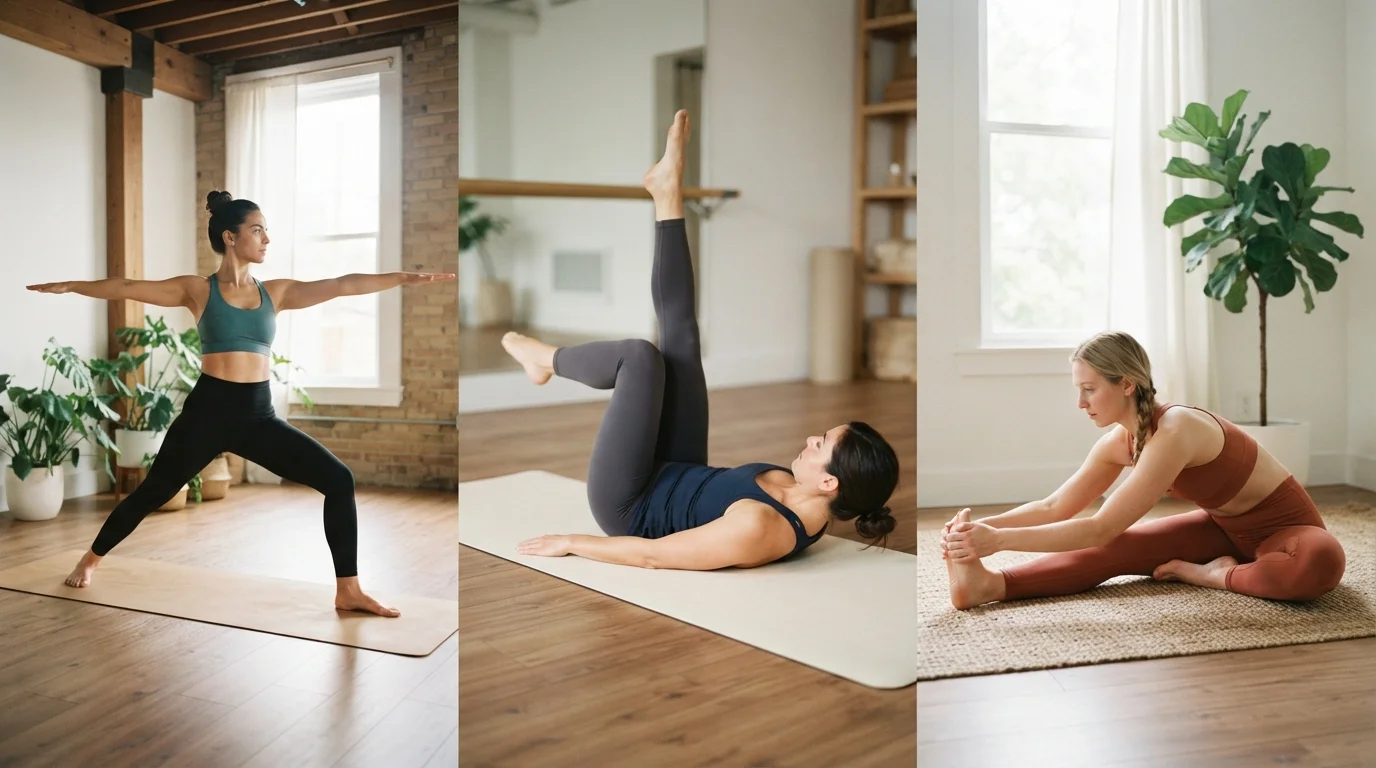
Yoga uses a combination of sustained holds, active engagement, and breathing to increase range of motion. Depending on the style - from slow Yin sessions to more dynamic Vinyasa flows - yoga can target connective tissue, muscles, and joint capsules. Different yoga styles emphasize very different tissues and goals, so the style you choose matters significantly.
Pilates was designed around controlled, precise movement with a strong emphasis on core stability. It improves flexibility indirectly - by teaching the body to move through its available range with control, rather than passively lengthening tissues. The result is often described as functional flexibility: range of motion that the body can actually use.
Traditional stretching refers to techniques like static holds (held for 20-60 seconds) and dynamic movements (controlled swings and reaches). These are the most direct interventions - aimed squarely at increasing muscle length and improving joint range. Static and dynamic stretching serve different purposes depending on context, particularly around workouts.
Comparing the Three Approaches
Each method has real strengths, but also trade-offs. The table below outlines how yoga, Pilates, and traditional stretching compare across the criteria most relevant to flexibility training.
| Yoga | Pilates | Traditional Stretching | |
|---|---|---|---|
| Primary flexibility mechanism | Sustained poses, breath, and tissue lengthening | Controlled movement through range of motion | Direct muscle lengthening via holds or movement |
| Core strength involvement | Moderate, varies by style | High - central to every movement | Minimal |
| Mind-body integration | High - breath and focus are central | Moderate - precision and concentration required | Low - technique-focused, not meditative |
| Accessibility for beginners | Moderate - style choice matters | Moderate - learning curve for form | High - minimal equipment or instruction needed |
| Time required per session | 30-90 minutes typical | 30-60 minutes typical | 5-20 minutes, easily added to other workouts |
| Evidence for flexibility gains | Well-supported, especially for static range | Supported for functional range of motion | Strong evidence for passive flexibility improvement |
One key distinction: yoga and Pilates are complete practices with their own learning curves, community traditions, and instructor-led formats. Traditional stretching is more of a standalone technique that fits easily into other routines - before or after strength training, for example.
Which Method Fits Which Goal
If your primary goal is improving passive range of motion - the kind measured when someone else moves your limb - traditional static stretching has the most direct evidence behind it. Regular, consistent holds that reach mild discomfort (not pain) gradually signal the nervous system to allow greater length over time.
If you want flexibility that translates into daily movement and sport, Pilates offers an advantage by training muscles to be strong through a wide range of motion. This is sometimes called active flexibility, and it tends to be more durable under load. Strength and flexibility training can support each other - Pilates is one approach that blends both.
If you want flexibility alongside mental focus and stress reduction, yoga's integration of breathwork, mindfulness, and movement makes it a multi-dimensional tool. Styles like Yin yoga specifically target the deeper connective tissues through long, passive holds - distinct from more restorative approaches. Yin and restorative yoga differ more than most people realize.
For many people, the most effective approach isn't choosing one - it's understanding what each offers and layering them intentionally. You might use dynamic stretching in a warm-up, a Pilates session mid-week, and a Yin yoga class on recovery days.
This article is for general informational purposes only and does not constitute medical or fitness advice. If you have an injury, chronic condition, or specific health concern, consult a qualified healthcare or movement professional before beginning a new flexibility practice.