

Key Takeaways
Micronutrient Gap
A micronutrient gap refers to the difference between the amount of a vitamin or mineral a person needs and how much they actually consume through food. Unlike a calorie shortfall, a micronutrient gap can exist even when someone eats plenty of food. It reflects the quality of a diet, not just its quantity.
Micronutrient inadequacy is typically assessed against Estimated Average Requirements (EARs) established by the National Academies of Sciences, Engineering, and Medicine — thresholds that reflect population-level needs rather than individual prescriptions.
Why Eating Enough Calories Isn't the Whole Story
Most discussions about American eating habits focus on excess — too many calories, too much sodium, too much saturated fat. But a quieter problem runs alongside overconsumption: a widespread shortfall in the vitamins and minerals that keep the body functioning at a basic level.
This is the micronutrient gap. It isn't about starvation or dramatic deficiency. It's about the steady, cumulative effect of eating a diet where highly processed, calorie-dense foods routinely displace the whole foods — vegetables, legumes, whole grains, nuts, and dairy — that supply essential nutrients.
Federal dietary surveys, including data from the National Health and Nutrition Examination Survey (NHANES), have repeatedly found that significant portions of the U.S. population fall below recommended intake levels for several key vitamins and minerals. This isn't a fringe issue. It reflects the structural reality of how most Americans eat day to day.
While carbohydrates, proteins, and fats rightly receive attention for their roles in energy and body composition, micronutrients — needed in smaller amounts — are just as essential to long-term health. The two categories work together, not independently.
The Nutrients Most Often Missing
Federal dietary guidance identifies several nutrients as nutrients of public health concern because inadequate intake is both common and linked to meaningful health consequences. These include:
- Vitamin D: Critical for calcium absorption and bone health, with roles in immune function. Most Americans — particularly those with limited sun exposure — don't get enough from food alone.
- Calcium: Essential for bone density, muscle contraction, and nerve signaling. Shortfalls are especially common among adolescent girls and older adults.
- Potassium: Supports healthy blood pressure and fluid balance. The typical American diet, heavy in processed foods and light in produce, consistently delivers far less than recommended. See why potassium is so underrated for a deeper look.
- Magnesium: Involved in over 300 enzymatic reactions, from energy metabolism to muscle and nerve function. Many Americans consume well below the recommended amount. Learn more about magnesium's wide-ranging role.
- Iron: Needed for oxygen transport in the blood. Iron deficiency is more common than most people realize, particularly among women of reproductive age.
~90%
Americans under-consuming vegetables and fruits
According to the Dietary Guidelines for Americans, roughly 9 in 10 Americans do not meet recommendations for vegetable and fruit intake — the food groups most associated with potassium, magnesium, and vitamin C.
42%
U.S. adults with vitamin D insufficiency
NHANES data has estimated that more than 40% of U.S. adults have vitamin D blood levels below the threshold considered sufficient for bone health by many clinical guidelines.
48%
Americans below magnesium recommendations
Analysis of national dietary survey data suggests nearly half of Americans consume less magnesium than the Estimated Average Requirement for their age and sex group.
What Drives the Gap
The micronutrient gap doesn't arise from one single cause. Several overlapping dietary patterns contribute:
Reliance on ultra-processed foods. Foods engineered for palatability and shelf life are typically stripped of the fiber, vitamins, and minerals present in their whole-food counterparts. When these foods make up a large share of daily intake, nutrient-dense options get crowded out.
Low consumption of vegetables and fruits. Most Americans eat far fewer servings of produce than dietary guidelines recommend. Vegetables and fruits are among the most concentrated sources of potassium, magnesium, folate, and vitamin C.
Declining variety. Even among people who eat relatively well, monotony in food choices limits the range of micronutrients consumed. Different foods supply different nutrient profiles; diversity is functionally irreplaceable.
Certain groups face compounded risk. Older adults may absorb nutrients less efficiently. Pregnant and breastfeeding individuals have elevated needs for several micronutrients. People following restrictive dietary patterns without careful planning may miss specific nutrients. These populations should work closely with a healthcare provider to assess their individual needs.
Closing the Gap Through Food First
For most generally healthy adults, the most sustainable path to closing micronutrient gaps runs through food — not through supplements alone. Whole foods deliver nutrients in combinations and ratios that the body has evolved to absorb and use effectively, often alongside fiber and other beneficial compounds.
Practical starting points include:
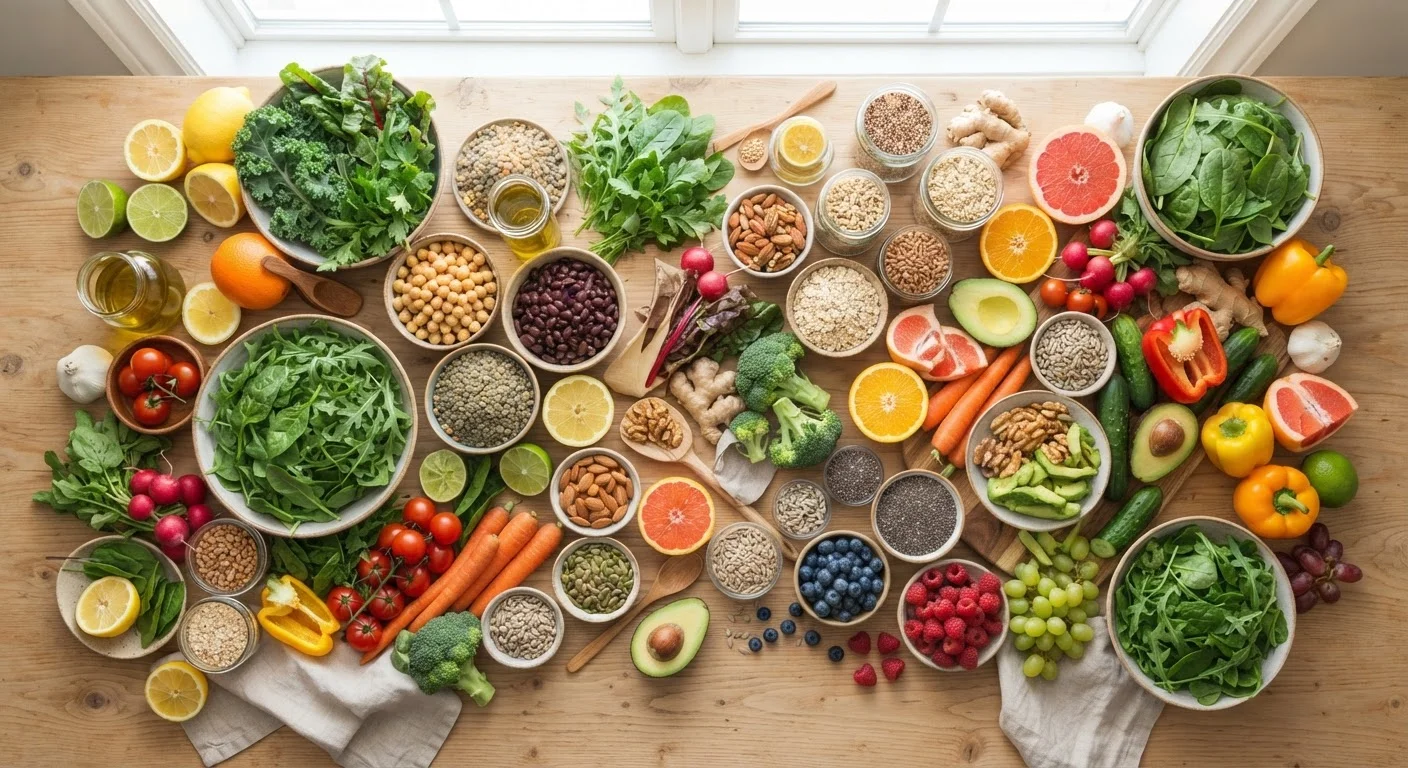
- Adding a serving of dark leafy greens (spinach, kale, collards) to daily meals — these supply iron, calcium, magnesium, and folate in one package.
- Swapping refined grain products for whole grain versions to recover B vitamins, magnesium, and fiber lost in processing.
- Including legumes (beans, lentils, chickpeas) several times per week as a low-cost, nutrient-dense protein source that also supplies iron and potassium.
- Choosing a range of colorful vegetables and fruits across the week rather than cycling through the same two or three options.
For a broader overview of what each essential vitamin and mineral does and which foods supply them, the essential vitamins and minerals quick-reference guide is a useful starting point. And for targeted strategies to put these principles into practice, see building a micronutrient-rich plate.
This article is for general informational and educational purposes only and is not a substitute for professional medical advice, diagnosis, or treatment. Consult a qualified healthcare provider with any questions about your specific nutritional needs or health status.