

Key Takeaways
Iron Deficiency
Iron deficiency occurs when the body doesn't have enough iron to produce adequate amounts of hemoglobin, the protein in red blood cells that carries oxygen throughout the body. Without sufficient iron, tissues and organs may not receive the oxygen they need to function well. It is the most common nutritional deficiency worldwide, including in the United States.
Iron deficiency exists on a spectrum: it can range from depleted iron stores (without symptoms) to iron-deficiency anemia, where hemoglobin levels drop low enough to cause measurable physiological effects.
Why Iron Deficiency Is So Widespread
Iron deficiency is not a niche health concern — it's estimated to affect hundreds of millions of people globally, and the United States is no exception. Despite living in a country with abundant food access, many Americans consistently fall short on this critical mineral. As discussed in our overview of the micronutrient gap in American diets, shortfalls in key nutrients can occur even when calorie intake is more than adequate.
Iron plays a central role in producing hemoglobin and supporting energy metabolism, immune function, and cognitive performance. When intake falls short — or when the body loses more iron than it takes in — stores gradually deplete, affecting everyday functioning before any dramatic symptoms appear.
#1
Most common nutritional deficiency worldwide
The World Health Organization identifies iron deficiency as the most prevalent micronutrient deficiency globally.
~10 million
Americans estimated to be iron deficient
The Centers for Disease Control and Prevention estimates that iron deficiency affects approximately 10 million people in the United States.
~5x
Higher risk in women vs. men
Iron deficiency anemia is significantly more common in women of reproductive age than in men of the same age group, largely due to menstrual blood loss.
Who Is Most at Risk
Iron needs are not uniform across the population. Several groups face significantly higher risk due to biological demands, dietary patterns, or health conditions.
- Women of reproductive age lose iron through menstruation each month, creating an ongoing need that diet must consistently replenish.
- Pregnant individuals require substantially more iron to support fetal development and increased blood volume — making this one of the most critical periods for monitoring iron status.
- Infants and toddlers have rapid growth demands that can outpace iron intake, particularly if transitioning away from iron-fortified formula or breast milk without adequate dietary sources.
- Adolescents, especially girls entering puberty, face a sharp increase in iron requirements.
- Endurance athletes may lose iron through sweat and the mechanical breakdown of red blood cells during high-impact activity.
- People with gastrointestinal conditions such as celiac disease or inflammatory bowel disease may absorb iron poorly regardless of dietary intake.
If you belong to one of these groups, discussing iron status with a healthcare provider is a reasonable step — not an overreaction.
Heme vs. Non-Heme Iron: A Critical Distinction
Not all dietary iron is created equal. The two forms — heme and non-heme — behave very differently once consumed.
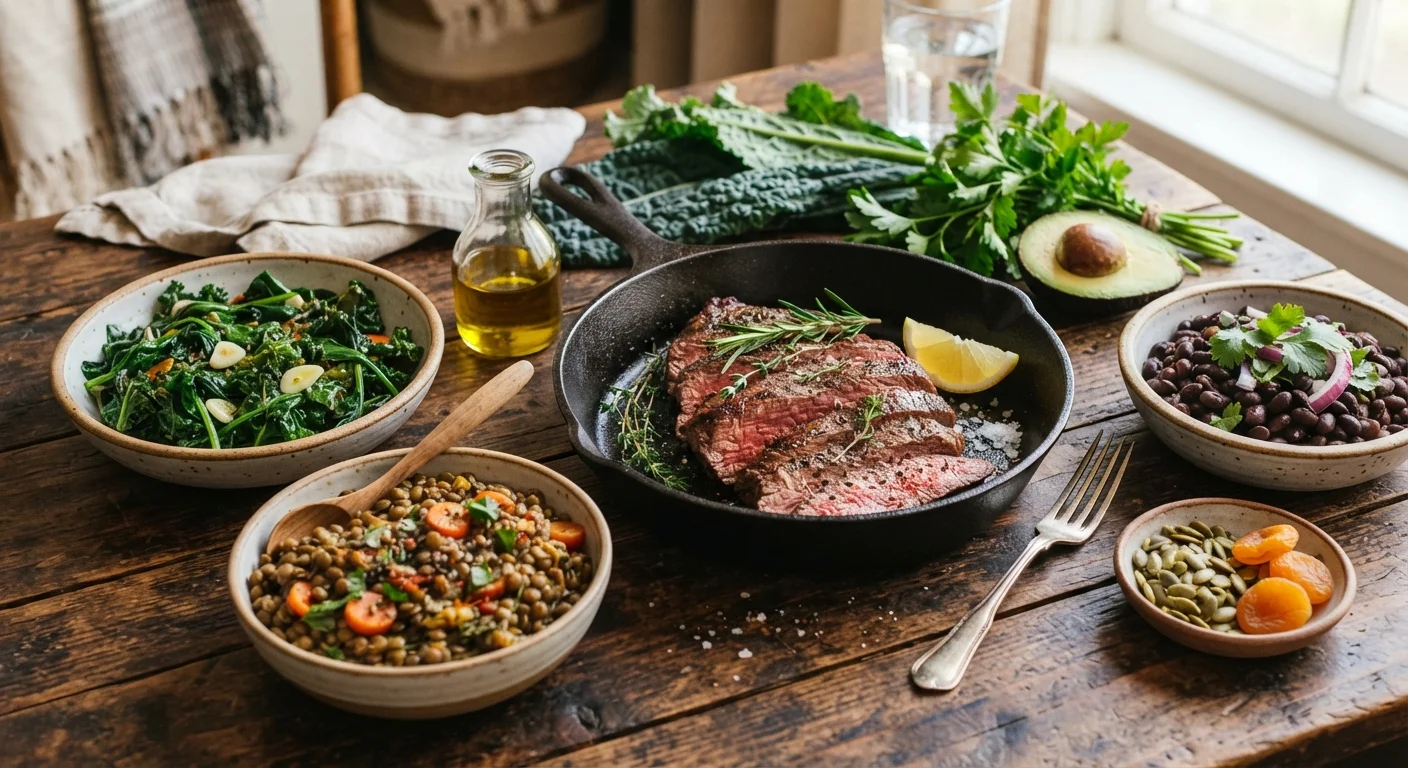
Heme iron is found in animal-based foods: red meat, poultry, and seafood. It is absorbed efficiently by the body, with absorption rates generally estimated between 15–35%, relatively unaffected by other foods eaten at the same meal.
Non-heme iron comes from plant sources — lentils, beans, spinach, tofu, and fortified grains — and is absorbed at lower rates, roughly 2–20%. Critically, absorption is influenced by what else is in the meal. Vitamin C dramatically improves non-heme iron uptake, while compounds in coffee, tea, and some whole grains (called phytates) can inhibit it.
This distinction matters practically: a cup of lentils and a serving of lean beef may both provide meaningful iron, but the body uses them quite differently. For people relying primarily on plant-based diets, strategic food pairing becomes especially important. Our guide on building a micronutrient-rich plate covers practical strategies for closing these gaps through everyday eating.
Recognizing the Signs and Getting a Proper Assessment
Iron deficiency develops gradually, and early stages often go unnoticed. As stores deplete, signs can include:
- Persistent fatigue or low energy disproportionate to activity level
- Pale skin or pale inner eyelids
- Shortness of breath during normal activity
- Difficulty concentrating or "brain fog"
- Cold hands and feet
- Brittle nails or unusual hair loss
- A craving for non-food items like ice or clay (a condition called pica)
These symptoms overlap with many other health issues, which is why self-diagnosis is unreliable. A simple blood panel — measuring serum ferritin, hemoglobin, and related markers — can give a clear picture of iron status. Healthcare providers can then determine whether dietary adjustments, supervised supplementation, or further investigation is appropriate.
This article is for general informational and educational purposes only and is not a substitute for professional medical advice, diagnosis, or treatment. If you have concerns about your iron levels or nutritional status, please consult a qualified healthcare provider.