

Key Takeaways
The Stress Response
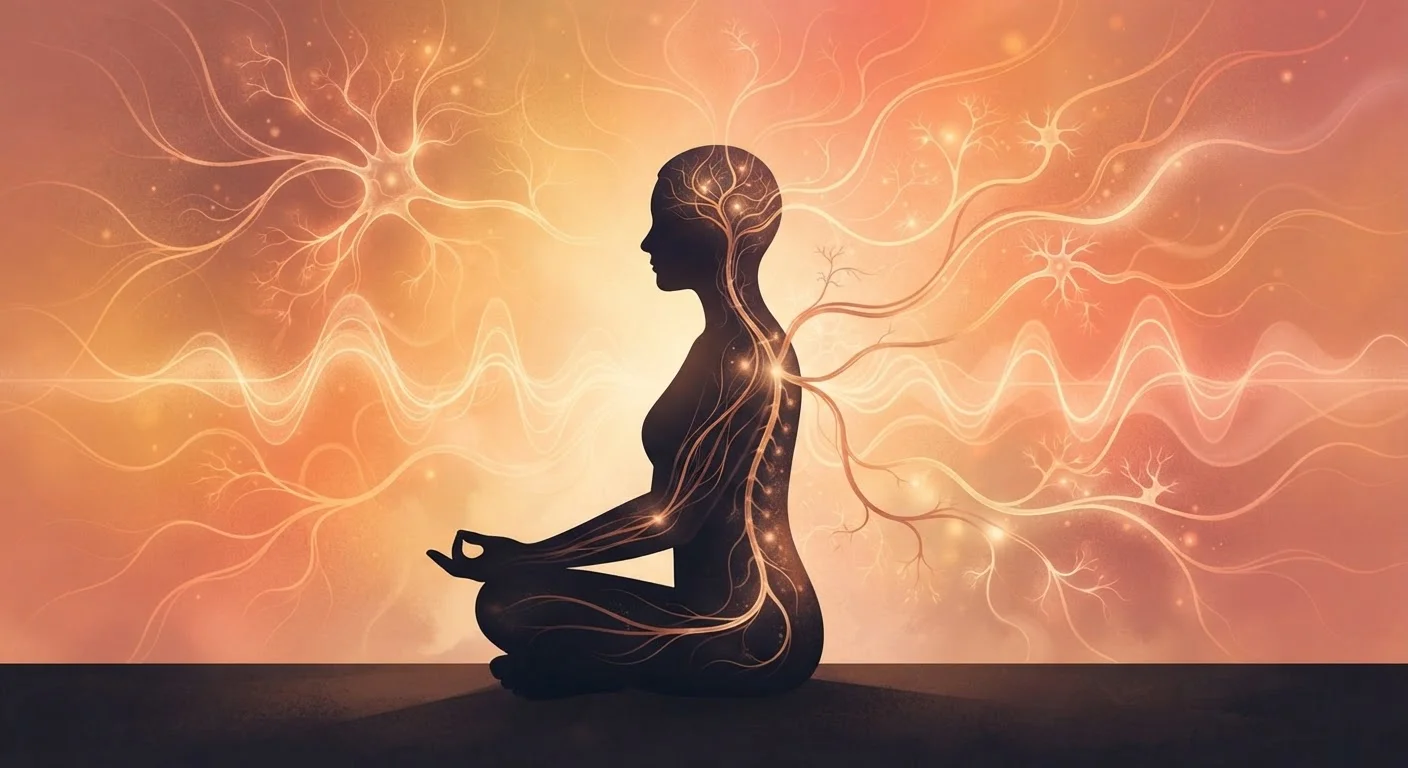
The stress response is your body's automatic reaction to a perceived threat or challenge. It triggers a cascade of hormonal and physiological changes — including a faster heartbeat, heightened alertness, and redirected energy — designed to help you act quickly. This system, often called "fight-or-flight," evolved to protect us from immediate danger and is essential to survival.
The stress response is coordinated by the hypothalamic-pituitary-adrenal (HPA) axis and the sympathetic branch of the autonomic nervous system, with cortisol and adrenaline (epinephrine) as its primary chemical messengers.
Why Your Body Has a Stress Response
Imagine your ancestor on the savanna, face to face with a predator. Within seconds, their body floods with hormones, their heart races, muscles prime for action, and non-essential functions — like digestion — shut down. That's the stress response doing exactly what it was designed to do: keep you alive.
Today's threats look very different — a tense meeting, a late bill, a difficult diagnosis — but the underlying biology is largely the same. The brain's alarm center, the amygdala, detects a potential threat and signals the hypothalamus to mobilize the body. This process happens faster than conscious thought, which is precisely the point. Speed saves lives.
Understanding that this system exists to protect you — not punish you — is genuinely empowering. Your racing heart before a big presentation isn't weakness; it's your body trying to give you an edge. The challenge is learning to work with that system rather than against it. For a detailed breakdown of each physiological stage, see what actually happens during a stress response.
The Biology: Hormones, Nerves, and the HPA Axis
When the brain registers a threat, two parallel systems kick in almost simultaneously.
- The fast pathway: The sympathetic nervous system fires within milliseconds, triggering the adrenal glands to release adrenaline (epinephrine). Your heart rate spikes, breathing quickens, and blood is redirected from your digestive organs to your large muscles. You become acutely alert.
- The slower pathway: The hypothalamic-pituitary-adrenal (HPA) axis activates over the following minutes, ultimately releasing cortisol — often called the primary stress hormone. Cortisol keeps energy mobilized, suppresses inflammation temporarily, and sustains the state of alertness.
Together, these systems prepare you for immediate action. Once the perceived threat passes, the parasympathetic nervous system — sometimes called the "rest and digest" system — begins to restore balance, slowing the heart rate, resuming digestion, and allowing cortisol levels to gradually fall.
77%
Americans reporting physical stress symptoms
According to the American Psychological Association's Stress in America survey, a large majority of U.S. adults regularly experience physical symptoms they associate with stress.
~20 min
Time for cortisol to peak after a stressor
Research on HPA axis dynamics shows cortisol typically peaks roughly 15–20 minutes after a stressor begins, then gradually declines as the threat resolves.
3x
Higher burnout risk with poor stress recovery
Occupational health research suggests that workers who lack consistent recovery time between stressors face significantly elevated risk of burnout compared to those with adequate downtime.
This counterbalancing system is your built-in recovery mechanism. Explore how it functions in depth via our article on how the autonomic nervous system controls recovery.
When the Alarm Stays On: Chronic Stress
Acute stress is normal and even useful. The problem arises when the stress response doesn't fully switch off — a state called chronic stress. In modern life, many of us cycle between stressors without enough genuine recovery in between.
Prolonged cortisol elevation has well-documented downstream effects:
- Immune suppression: While short-term cortisol can temporarily reduce inflammation, chronically elevated levels can impair immune function over time.
- Sleep disruption: Cortisol follows a natural daily rhythm, peaking in the morning. Chronic stress can flatten this rhythm, making it harder to fall or stay asleep.
- Cardiovascular strain: Repeated activation of the sympathetic nervous system keeps blood pressure elevated and the heart working harder.
- Mood and cognition: Chronic stress is associated with changes in brain regions governing memory and emotional regulation, contributing to anxiety and low mood.
None of this is inevitable — and recognizing the pattern is the first step toward changing it. For a comprehensive overview of evidence-backed strategies, visit evidence-based approaches to stress and recovery.
Practical Tools to Restore Balance
Science has identified several accessible approaches that help regulate the stress response and support parasympathetic recovery. These aren't quick fixes — they're habits that, practiced consistently, genuinely shift how your nervous system responds over time.
- Controlled breathing: Slow, extended exhales activate the vagus nerve and parasympathetic system, measurably reducing heart rate and cortisol. Even five minutes of deliberate breathing can shift your physiological state.
- Aerobic movement: Regular moderate exercise helps regulate the HPA axis, builds stress resilience, and improves the body's ability to return to baseline after a stressor.
- Consistent sleep: Sleep is when the brain consolidates emotional memory and the body repairs itself. Protecting sleep is one of the most powerful levers for stress management.
- Social connection: Human contact — especially safe, supportive relationships — is a biological buffer against stress, linked to lower cortisol and better cardiovascular outcomes.
Explore more targeted strategies in our Stress & Anxiety hub, where practical, evidence-grounded guidance is organized by topic.
This article is for general informational and educational purposes only and does not constitute medical advice. If stress is significantly affecting your health or daily functioning, please consult a qualified healthcare professional.