

| Primary fast-acting stress hormone | Adrenaline (Epinephrine) |
| Primary sustained stress hormone | Cortisol |
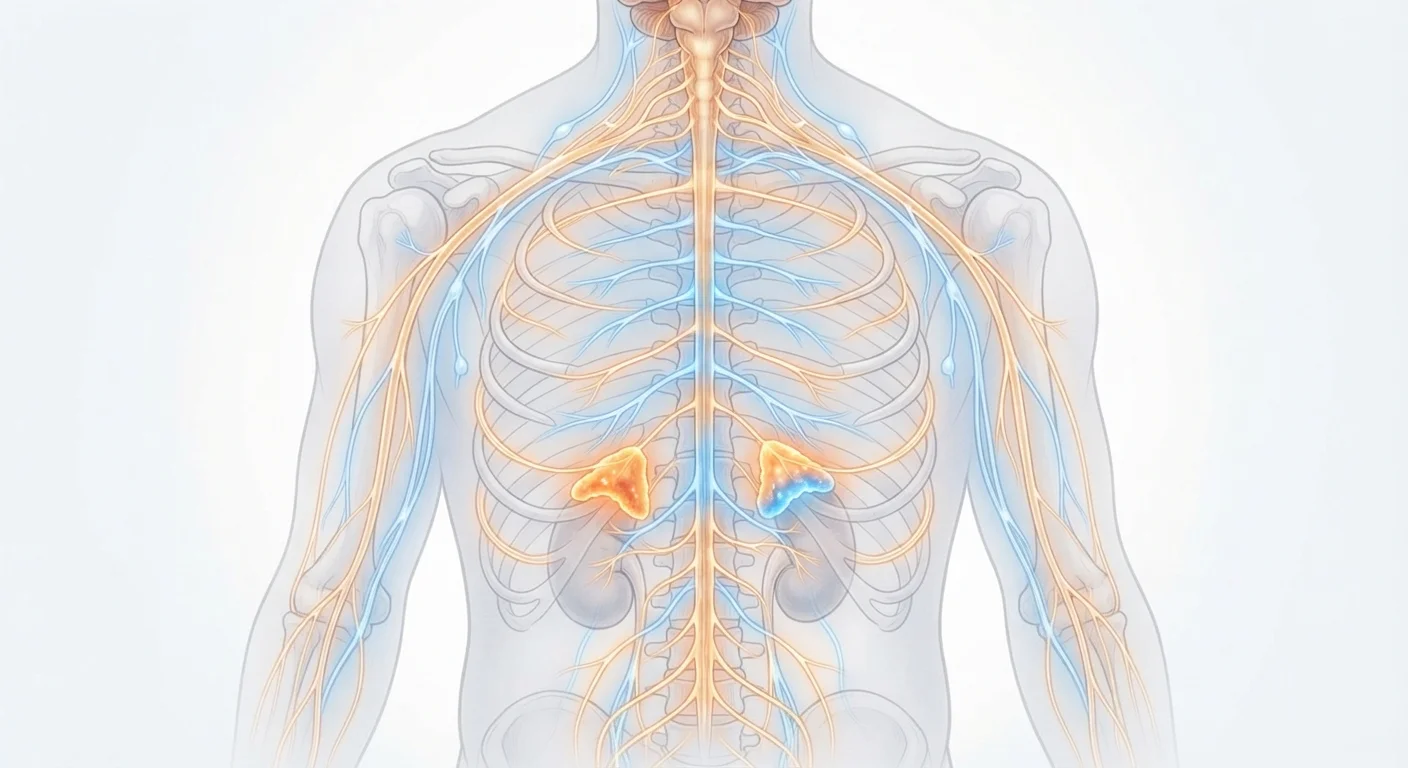
| Where stress hormones are produced | Adrenal glands (located above the kidneys) |
| System that triggers cortisol release | HPA axis (hypothalamic-pituitary-adrenal) |
| System responsible for recovery/calm | Parasympathetic nervous system |
| Time for adrenaline release after threat | Within seconds |
| Time for cortisol to peak after stressor | Approximately 15–30 minutes (General stress physiology literature) |
Why Stress Hormones Exist
When your body senses a threat — real or perceived — it doesn't wait for conscious instructions. It launches a fast, coordinated hormonal response designed to help you survive. This system evolved over millennia, long before modern stressors like overflowing inboxes and traffic jams. Understanding the key players in this response is one of the most practical things you can do for your health, because it helps you recognize what your body is doing and why.
For a broader look at how this system operates, see The Science Behind Your Stress Response.
| Primary fast-acting stress hormone | Adrenaline (Epinephrine) |
| Primary sustained stress hormone | Cortisol |
| Where stress hormones are produced | Adrenal glands (located above the kidneys) |
| System that triggers cortisol release | HPA axis (hypothalamic-pituitary-adrenal) |
| System responsible for recovery/calm | Parasympathetic nervous system |
| Time for adrenaline release after threat | Within seconds |
| Time for cortisol to peak after stressor | Approximately 15–30 minutes (General stress physiology literature) |
The Key Hormones and What They Do
Several hormones work in sequence during a stress event. Here's what each one contributes:
Adrenaline (Epinephrine)
Adrenaline is the body's immediate alarm signal. Released from the adrenal glands within seconds of a perceived threat, it raises your heart rate, dilates your airways, and redirects blood flow toward your muscles. This is the hormone responsible for that sudden surge of energy or the racing heart you feel before a big presentation.
Noradrenaline (Norepinephrine)
Released alongside adrenaline, noradrenaline sharpens attention and focus. It also constricts blood vessels to maintain blood pressure during the acute stress response. Together, adrenaline and noradrenaline form the rapid-response core of the fight-or-flight reaction.
Cortisol
Cortisol is released more slowly — over minutes rather than seconds — from the adrenal cortex, under direction from the hypothalamic-pituitary-adrenal (HPA) axis. It sustains the stress response by raising blood sugar for energy, suppressing non-essential functions like digestion and reproduction, and modulating inflammation. In short bursts, cortisol is protective. When chronically elevated, it can disrupt sleep, immune function, and metabolism. For a closer look at how cortisol relates to food behavior, see Stress, Cortisol, and Eating Patterns.
DHEA (Dehydroepiandrosterone)
DHEA is another adrenal hormone that plays a counterbalancing role. Some research suggests it supports resilience and may offset some of cortisol's effects, though this area of science is still evolving.
Cortisol
A steroid hormone produced by the adrenal glands in response to stress and low blood glucose. It helps regulate metabolism, immune response, and the body's stress reaction. Chronically elevated cortisol is associated with several health concerns.
Adrenaline (Epinephrine)
A fast-acting hormone released by the adrenal glands that prepares the body for immediate action by increasing heart rate, boosting energy, and heightening alertness. It is the primary driver of the acute fight-or-flight response.
HPA Axis
The hypothalamic-pituitary-adrenal axis is the hormonal communication system linking the brain to the adrenal glands. It governs the release of cortisol and is central to regulating the body's stress response.
Fight-or-Flight Response
An automatic physiological reaction to a perceived threat, involving the rapid release of stress hormones. It prepares the body to either confront or escape danger.
Noradrenaline (Norepinephrine)
A hormone and neurotransmitter released alongside adrenaline during stress. It heightens focus and attention and helps maintain blood pressure during the acute stress response.
Parasympathetic Nervous System
The division of the autonomic nervous system responsible for returning the body to a calm, baseline state after stress. It is sometimes called the "rest and digest" system.
DHEA
Dehydroepiandrosterone is an adrenal hormone that serves as a precursor to sex hormones and may play a role in stress resilience. Research into its effects on cortisol balance is ongoing.
How the Body Returns to Balance
The stress response is designed to be temporary. Once a perceived threat passes, the parasympathetic nervous system — sometimes called the "rest and digest" system — works to bring hormone levels back down. Heart rate slows, digestion resumes, and cortisol production tapers off through a negative feedback loop involving the HPA axis.
Problems arise when stressors are frequent or unrelenting. Chronically elevated cortisol and adrenaline are associated with disrupted sleep, increased inflammation, and cardiovascular strain, according to well-established research in stress physiology. What Actually Happens in Your Body During a Stress Response walks through this biology in more detail.
Evidence-based practices — including regular physical activity, consistent sleep, mindfulness, and social connection — are among the most studied approaches for supporting recovery. See Evidence-Based Approaches to Stress and Recovery for a comprehensive overview. For terminology you may encounter, Stress & Anxiety: Key Terms and Definitions is a useful companion reference.
This article is for general informational and educational purposes only and is not a substitute for professional medical advice. If you have concerns about your health or stress levels, please consult a qualified healthcare provider.