

Mind-Body Wellness

Before Your First Yoga Class: What to Know, Expect, and Prepare

Share
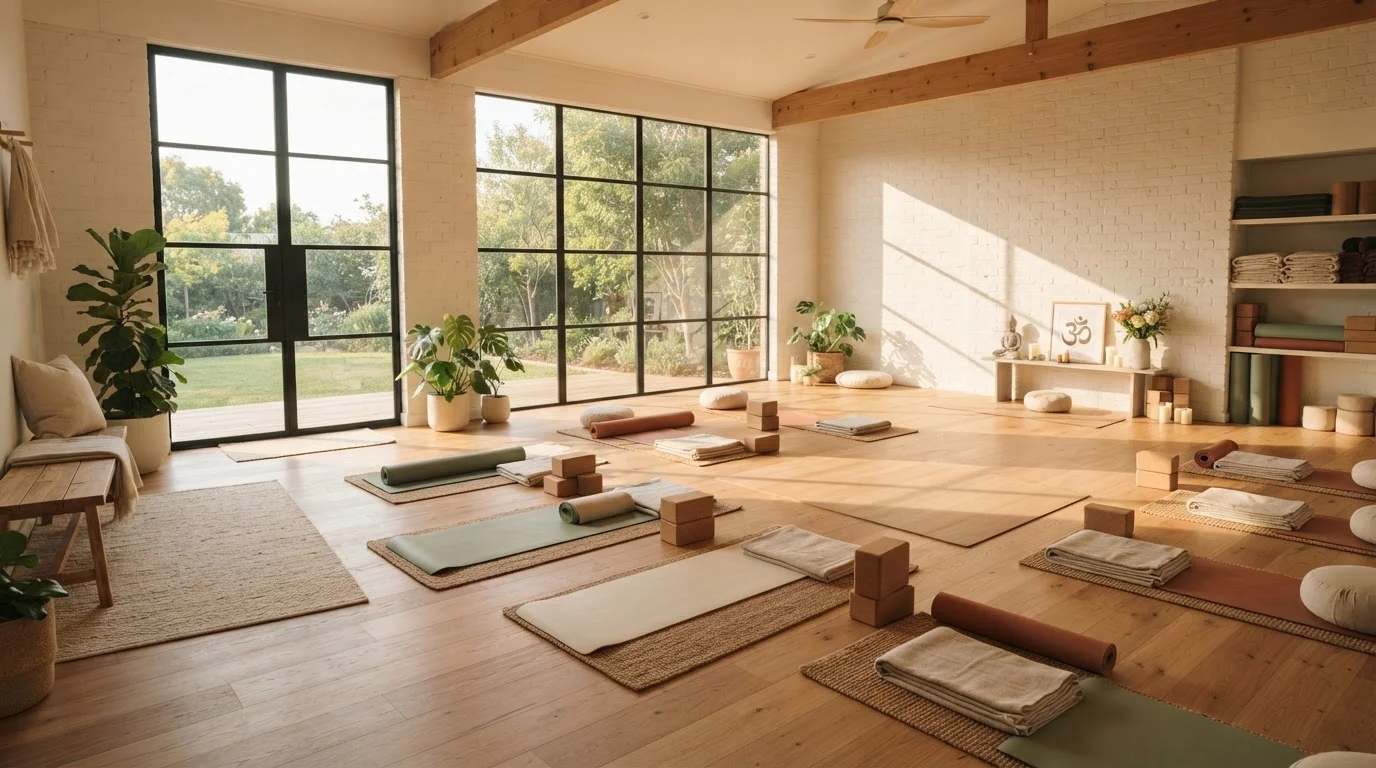
A bright, welcoming yoga studio with mats and props arranged neatly on a wooden floor.

Key Takeaways

Arriving 10–15 minutes early gives you time to meet the instructor and settle in without rushing.
You do not need prior experience, flexibility, or special equipment to attend a beginner yoga class.
Communicating any injuries or limitations to your instructor before class helps keep you safe.
Breathwork is central to yoga — focusing on your breath matters more than perfecting every pose.
Child's Pose is always available as a rest option and is encouraged whenever you need a break.
20–35 min

Summary

22 items · 20–35 minutes

Why Preparation Makes All the Difference

First-time yoga students often arrive with a mix of excitement and nerves — wondering if they'll keep up, whether their body is "flexible enough," or what the unspoken rules of the studio are. The good news: yoga was designed to meet you exactly where you are. A little preparation dissolves most first-class anxiety before it starts.

Yoga is also more than stretching. The practice intentionally links breath to movement, which research suggests can activate the parasympathetic nervous system — your body's rest-and-recovery mode — and build stress resilience over time. Understanding this mind-body dimension beforehand helps you get far more out of that first hour on the mat. If you're curious how breathwork fits into a broader wellness practice, our step-by-step guide to mindful breathing is a natural companion read.

Use the checklist below to audit your readiness across four key areas: gear and logistics, your body and health, studio etiquette, and mindset.

Required

Yoga Mat

Provides grip and cushioning during poses; check whether your studio supplies mats before purchasing one.

Optional

Yoga Blocks (x2)

Bring the floor closer so poses are accessible regardless of your current flexibility or range of motion.

Optional

Yoga Strap or Belt

Extends your reach in seated stretches and standing poses — especially useful for tight hamstrings.

Optional

Small Towel

Useful for wiping sweat and can be folded for extra cushioning under knees or wrists.

Required

Water Bottle

Keeps you hydrated before and after practice; sip before class rather than during in most studio styles.

Required

Comfortable, Stretchy Clothing

Form-fitting or flexible fabrics that stay in place through inversions and floor-based poses.

Your First-Class Preparation Checklist

Work through each group before your class day. Items marked must are non-negotiable for a safe, comfortable experience. Should items are strongly recommended, and nice-to-have items are optional refinements that can enhance your session.

Gear and Logistics

Register or book your class in advance, confirming the studio address, start time, and class level (look specifically for "beginner" or "all-levels"). Must
Plan to arrive 10–15 minutes before the class starts so you have time to check in, introduce yourself to the instructor, and settle onto your mat. Must
Wear form-fitting or stretchy clothing that stays in place during inversions and forward folds — avoid very baggy tops that fall over your face. Must
Bring a water bottle to stay hydrated before and after class; most studios ask you not to drink during practice unless it's a hot yoga session. Should
Check whether the studio provides mats and props (blocks, straps, blankets) or whether you need to bring your own. Must
Pack a small towel, especially for warm or heated classes where sweat is more common. Nice to have

Body and Health Preparation

Avoid eating a large meal within 1.5–2 hours before class; a light snack 45–60 minutes prior is generally fine if you need fuel. Must
Consult a qualified healthcare professional before attending if you have a recent injury, surgery, pregnancy, or a chronic health condition. Must
Note any areas of pain, discomfort, or limited mobility so you can communicate these to your instructor before class begins. Must
Do a brief body scan — check in with how your energy, tension levels, and breath feel today, so you can gauge how hard to push during the session. Should

Studio Etiquette

Remove shoes before entering the studio floor and store them in the designated area near the entrance. Must
Silence your phone and leave it in a bag or cubby — most studios treat the space as a quiet, distraction-free environment. Must
Introduce yourself to the instructor as a first-timer and mention any injuries or concerns before class, not after. Must
Set up your mat with enough space around you for extended arms and legs, and respect the spacing of other students. Should
Plan to stay for Savasana (the final rest pose) — leaving early disrupts others and means missing one of the most restorative parts of the practice. Should
After class, wipe down any borrowed mat or props using the cleaning supplies the studio provides. Must

Mindset and Expectations

Release the goal of looking perfect — your job in class one is to explore the poses and breathe, not to master them. Must
Remind yourself that Child's Pose is a legitimate resting option you can take at any point during class without explanation. Must
Focus more on the quality of your breath than the depth of each pose — conscious breathing is the core skill yoga builds. Should
Commit to attending at least two or three classes before deciding whether yoga is right for you; the first session often feels unfamiliar regardless of fitness level. Should
Notice how you feel in the 24 hours after class — mild muscle fatigue is normal, but sharp or persistent pain warrants a conversation with a healthcare professional. Nice to have
Jot down one or two things you noticed or enjoyed after your first class to build motivation for your next session. Nice to have

Always Tell Your Instructor Before Class

Informing your yoga instructor about injuries, chronic conditions, or physical limitations before class begins — not after — allows them to offer safe modifications in real time. Most instructors are trained to adjust cues and hands-on assists accordingly. If you are pregnant, have recently had surgery, or manage a chronic musculoskeletal or cardiovascular condition, get clearance from a qualified healthcare professional before attending any yoga class.

Once you've had your first studio experience, you may decide a home practice suits your lifestyle just as well. Our guide on starting a home yoga practice without a studio walks you through exactly how to get started safely and consistently.

Common Beginner Concerns, Answered

"I'm not flexible enough for yoga."

Flexibility is a result of yoga practice, not a prerequisite. Instructors routinely see students who can barely touch their knees, let alone their toes. Props like blocks and straps exist precisely to make poses accessible at every range of motion.

"I won't be able to keep up."

Beginner and all-levels classes are intentionally paced for new students. If you lose track of a cue, follow your breath and watch the instructor — nobody expects perfection in class one.

"What if I have an injury or chronic condition?"

Always consult a qualified healthcare professional before starting any new physical activity, particularly if you have a recent injury, chronic pain, or a cardiovascular or musculoskeletal condition. Once cleared, tell your instructor before class begins — they can offer modifications that keep you safe without sitting out.

If you're thinking about readiness more broadly, the mindfulness readiness checklist is a helpful self-assessment to run through alongside this one.

This article is for informational purposes only and does not constitute medical advice. Always consult a qualified healthcare professional before beginning any new exercise or wellness practice.

Mind-Body Wellness Editorial Team is the collective byline for our editorial team and contributor network. Articles published under this byline or an editorial pen name are researched, written, and reviewed according to our editorial standards for clarity, consistency, and independence before publication.

View all articles by Mind-Body Wellness Editorial Team →
Disclaimer: The content on this site is for informational purposes only and is not a substitute for professional advice. Always consult a qualified professional for guidance specific to your situation.