

Key Takeaways
Why the Basics Outperform the Buzzworthy
Scroll through any wellness feed and the illness-prevention advice that dominates tends to involve expensive supplements, exotic foods, or elaborate morning rituals. Public health research tells a quieter, less photogenic story. The behaviors with the strongest evidence behind them are almost embarrassingly ordinary — soap, fresh air, sleep, and vaccines chief among them.
That gap between what's marketable and what's meaningful is worth closing. This article focuses on the daily routines that epidemiologists, infectious disease researchers, and public health agencies consistently point to when the question is: what actually works?
These habits are accessible, low-cost, and effective. They won't trend. They don't need to. For more on how everyday routines shape health outcomes across the board, see common misconceptions about forming lasting healthy habits.
Start With One Habit at a Time
If building multiple new habits feels overwhelming, research on behavior change suggests starting with just one — ideally one that's easy to anchor to an existing routine. Consistent handwashing before meals is a low-friction starting point. Once it's automatic, layering in sleep or ventilation improvements becomes more manageable.
Evidence-Backed Habits Worth Building
Wash your hands with soap — technique and timing both matter
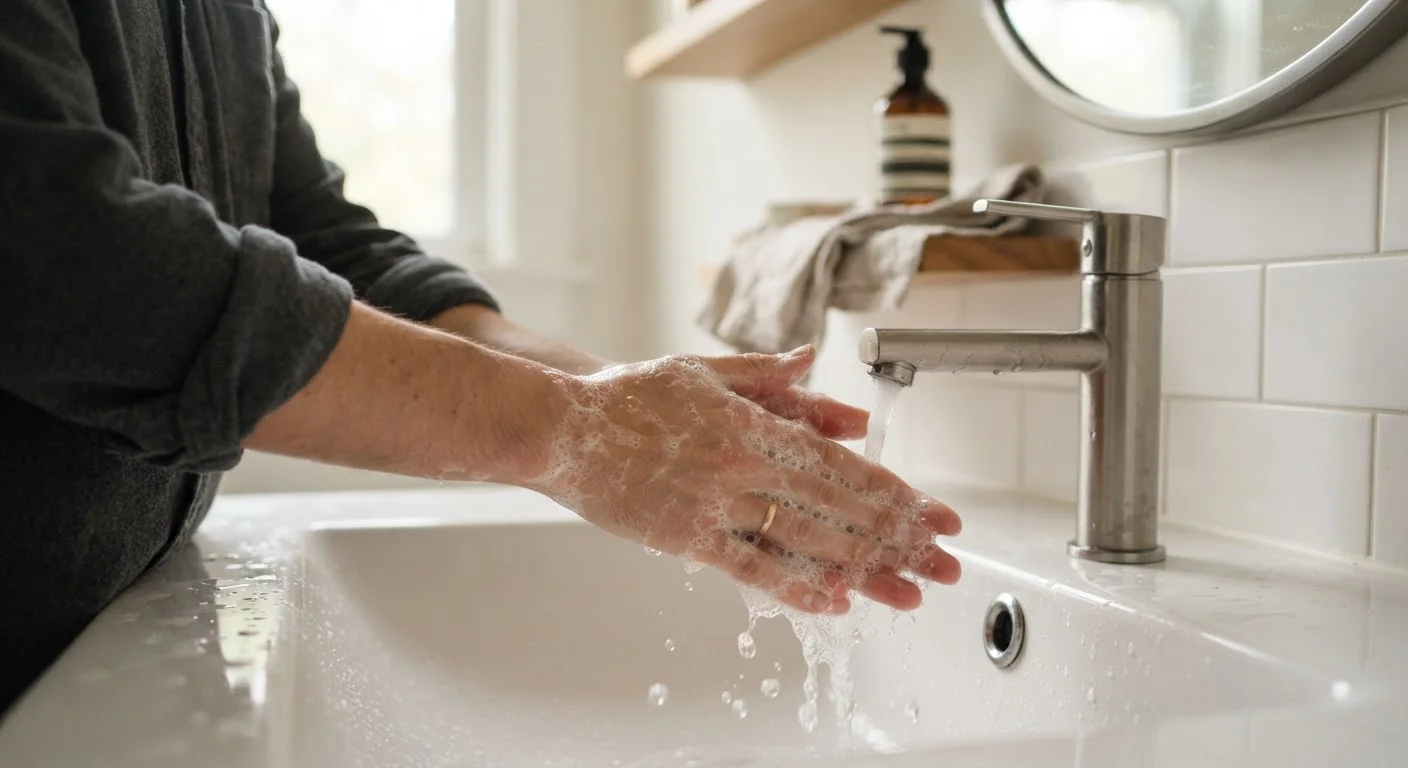
The Centers for Disease Control and Prevention (CDC) identifies handwashing as one of the most important steps individuals can take to prevent the spread of illness. What's often underappreciated is that technique matters as much as frequency. Lathering for at least 20 seconds — covering the backs of hands, between fingers, and under nails — is what makes the difference between rinsing off visible dirt and actually disrupting pathogen transmission.
Key moments to wash: before preparing or eating food, after using the restroom, after blowing your nose, and after caring for someone who is sick. When soap and water aren't available, an alcohol-based hand sanitizer with at least 60% alcohol is an effective substitute for most situations, though it doesn't remove all types of germs equally.
Lathering for at least 20 seconds is what actually disrupts pathogen transmission — not just a quick rinse.
Improve indoor ventilation wherever you can
The COVID-19 pandemic elevated public awareness of airborne transmission and indoor air quality in ways that hadn't penetrated mainstream health consciousness before. Research increasingly shows that adequate ventilation — the exchange of indoor air with outdoor air — meaningfully reduces the concentration of airborne respiratory pathogens in enclosed spaces.
Practical steps include opening windows when weather permits, using exhaust fans in bathrooms and kitchens, and, in higher-risk settings, considering portable air purifiers with HEPA filtration. In shared workspaces or crowded indoor environments, even modest improvements to air circulation can reduce pathogen load. This matters for influenza, respiratory syncytial virus (RSV), and other airborne illnesses, not just COVID-19.
Even modest improvements to indoor air circulation can meaningfully reduce the concentration of airborne pathogens.
Prioritize sleep as an immune system maintenance window
Sleep is not passive downtime. During sleep, the body releases cytokines — proteins that target infection and inflammation — and consolidates immune memory. Research has consistently linked insufficient sleep to increased susceptibility to respiratory infections. Studies have found that people who sleep fewer than six hours per night are significantly more likely to develop a cold after exposure to a virus compared to those who sleep seven hours or more.
The relationship runs in both directions: poor sleep impairs immune defense, and illness disrupts sleep. Building consistent sleep habits is therefore a foundational illness-prevention strategy, not a secondary concern. For practical guidance on sleep routines, see sleep habits that support consistent, restorative rest.
Insufficient sleep measurably impairs immune defense — consistent rest is a direct illness-prevention strategy.
Stay current with recommended vaccinations
No behavioral habit comes close to matching the protective efficacy of vaccination against specific infectious diseases. Vaccines work by training the immune system to recognize and respond to pathogens before natural exposure occurs. This protection applies both individually and collectively — when enough people in a community are vaccinated, transmission chains are disrupted, protecting those who cannot be vaccinated for medical reasons.
Recommended vaccines vary by age, health status, occupation, and travel history. Annual influenza vaccination, updated COVID-19 boosters as recommended, and catch-up immunizations for adults who missed vaccines in childhood are common starting points. A healthcare provider can help identify which vaccines are current for your situation. See also: evidence-based corrections to common vaccine misconceptions.
No behavioral habit alone matches the specific, proven protection that vaccination provides against targeted infectious diseases.
Avoid touching your face — especially eyes, nose, and mouth
Most people touch their face dozens of times per hour without noticing. This habit creates a direct pathway for pathogens picked up from contaminated surfaces or hands to enter the body through mucous membranes. Rhinoviruses (responsible for many common colds) and influenza viruses can survive on hard surfaces for hours, making hand-to-face contact a meaningful transmission route.
Reducing this behavior is harder than it sounds — it's largely automatic. Strategies that help include keeping hands occupied during high-risk situations (such as commuting on public transit), maintaining good handwashing habits before touching your face intentionally (applying makeup, rubbing eyes), and developing awareness of when you're most likely to do it, such as when stressed or fatigued.
Most people touch their face dozens of times per hour, creating a direct transmission route for respiratory viruses.
Eat in a way that actually supports immune function
Nutrition's role in immune function is real, but it's frequently overstated in consumer marketing. No single food or supplement has been proven to "boost" immunity in any clinically meaningful sense. What the evidence does support is that chronic nutritional deficiencies — in vitamins D, C, zinc, and others — can impair immune response. A broadly varied diet with adequate vegetables, fruits, legumes, whole grains, and protein is what most public health guidance recommends.
Rather than chasing superfoods, it's worth examining whether your overall eating pattern contains consistent gaps. Some common habits that seem healthy can quietly undermine nutritional adequacy. For a closer look at that risk, see signs your eating habits may not be as healthy as they seem. If you suspect a specific deficiency, a clinician can order blood tests and advise on evidence-based supplementation.
Chronic nutritional deficiencies impair immune response — no single superfood replaces a consistently varied diet.
Putting It All Together
None of these habits is complicated, and none requires a significant financial investment. What they do require is consistency. The protective value of handwashing, sleep, ventilation, and vaccination compounds over time — not because any single instance is miraculous, but because repeated, routine practice steadily reduces your cumulative exposure and keeps your immune defenses functioning at their best.
It's also worth noting that these habits work together. Good sleep supports immune resilience. Ventilation reduces what handwashing can't catch. Vaccination covers what environmental precautions can't prevent. They're complementary, not competing. For more on how vaccination fits into this picture, see what the evidence actually shows about common vaccine myths.
If you're unsure which preventive habits apply most to your specific health situation, speak with a primary care provider. General guidance like this is a starting point — your clinician can help you tailor it.
This article is for general informational and educational purposes only and does not constitute medical advice. Always consult a qualified healthcare professional for guidance specific to your health needs.