

Key Takeaways
Helps stabilize blood sugar between meals
A balanced snack containing protein and fiber can moderate the rise and fall of blood glucose, supporting steadier energy and concentration throughout the day.
Reduces excessive hunger before main meals
When meals are spaced far apart, a small snack can curb intense appetite, making it easier to eat moderate, balanced portions at the next meal rather than overeating.
Supports nutrient intake across the day
Snacks are an opportunity to fit in food groups that might otherwise be missed — fruits, vegetables, dairy, or nuts — contributing to a more complete nutritional profile.
Useful for higher physical activity demands
People engaging in regular moderate-to-vigorous exercise often have increased energy and protein needs that three meals alone may not efficiently cover.
Can improve focus and productivity mid-day
Mild hunger is associated with reduced cognitive performance; a well-timed, nutrient-dense snack can help sustain attention and mood during long work or school stretches.
Mindless eating adds calories without satisfaction
Eating while distracted — scrolling, watching TV, or working — reduces awareness of how much is consumed and often bypasses the brain's satiety signaling, leading to excess intake.
Ultra-processed snack foods displace nutritious ones
Many convenient snack options are high in refined carbohydrates, added sugars, and sodium, offering little fiber or protein and contributing to energy crashes rather than preventing them.
Emotional eating can be disguised as hunger
Stress, boredom, and anxiety are common triggers for between-meal eating. Over time, using food to manage emotions can reinforce patterns that are difficult to recognize and shift.
Can blunt appetite for balanced main meals
Snacking too close to mealtimes, or in large amounts, may reduce appetite for more nutritionally complete meals, inadvertently compromising overall diet quality.
Environmental cues override actual hunger
Visible food, workplace snack areas, and habitual snack times can trigger eating independent of genuine physiological need, making total intake harder to regulate.
Our Verdict
Snacking is neither a nutritional virtue nor a dietary flaw — its impact depends almost entirely on context. When it's driven by genuine hunger and filled with nutrient-dense foods, it can genuinely support energy, focus, and appetite regulation. When it's driven by boredom, habit, or environmental cues, it can quietly work against long-term wellness goals.
Intentional snacking works best for active individuals, people with longer gaps between meals, or anyone managing blood sugar — while those prone to mindless eating or late-night grazing may benefit from evaluating their patterns first.
What Snacking Actually Is — And Isn't
A snack, in nutritional terms, is simply any food eaten between main meals. That definition covers everything from a handful of almonds to a gas-station pastry — which illustrates why the concept resists easy labeling. Whether snacking helps or hurts depends on the why, what, and how much involved each time.
Research does not support a universal rule about meal frequency. Some people genuinely thrive on three structured meals; others feel better with smaller, more frequent eating occasions. The key distinction is whether snacking is a deliberate nutritional choice or simply a reflex response to environment, emotion, or availability.
If you're examining the broader patterns in your day, these common signs your habits may be quietly backfiring are worth reviewing alongside this topic.
Where Snacking Works in Your Favor
Strategic snacking delivers real benefits when it's anchored in actual hunger and thoughtful food choices.
Helps stabilize blood sugar between meals
A balanced snack containing protein and fiber can moderate the rise and fall of blood glucose, supporting steadier energy and concentration throughout the day.
Reduces excessive hunger before main meals
When meals are spaced far apart, a small snack can curb intense appetite, making it easier to eat moderate, balanced portions at the next meal rather than overeating.
Supports nutrient intake across the day
Snacks are an opportunity to fit in food groups that might otherwise be missed — fruits, vegetables, dairy, or nuts — contributing to a more complete nutritional profile.
Useful for higher physical activity demands
People engaging in regular moderate-to-vigorous exercise often have increased energy and protein needs that three meals alone may not efficiently cover.
Can improve focus and productivity mid-day
Mild hunger is associated with reduced cognitive performance; a well-timed, nutrient-dense snack can help sustain attention and mood during long work or school stretches.
One of the clearest use cases is managing large gaps between meals. If lunch ends at noon and dinner isn't until 7 p.m., a balanced mid-afternoon snack can prevent the energy crash and excessive hunger that lead to overeating later. This is especially relevant for people navigating demanding schedules — for more on that, see realistic strategies for eating well on a busy schedule.
Where Snacking Can Quietly Work Against You
The downsides of snacking aren't about the concept itself — they emerge when snacking becomes automatic, emotionally driven, or nutritionally hollow.
Mindless eating adds calories without satisfaction
Eating while distracted — scrolling, watching TV, or working — reduces awareness of how much is consumed and often bypasses the brain's satiety signaling, leading to excess intake.
Ultra-processed snack foods displace nutritious ones
Many convenient snack options are high in refined carbohydrates, added sugars, and sodium, offering little fiber or protein and contributing to energy crashes rather than preventing them.
Emotional eating can be disguised as hunger
Stress, boredom, and anxiety are common triggers for between-meal eating. Over time, using food to manage emotions can reinforce patterns that are difficult to recognize and shift.
Can blunt appetite for balanced main meals
Snacking too close to mealtimes, or in large amounts, may reduce appetite for more nutritionally complete meals, inadvertently compromising overall diet quality.
Environmental cues override actual hunger
Visible food, workplace snack areas, and habitual snack times can trigger eating independent of genuine physiological need, making total intake harder to regulate.
Social contexts can also amplify unplanned snacking. Shared office snack bowls, food at gatherings, and peer eating patterns all influence intake in ways most people underestimate. Understanding how social eating shapes your habits can help you navigate these situations without feeling restricted.
~25%
Daily calories from snacks in U.S. adults
National dietary survey data suggests that snacking accounts for roughly one-quarter of total daily caloric intake for many American adults, making snack quality a meaningful lever.
2–3×
Increase in snacking occasions since 1970s
Research published in nutrition journals has documented a substantial rise in snacking frequency among Americans over recent decades, coinciding with increased availability of processed convenience foods.
Building a Snacking Approach That Actually Works
Rather than deciding to snack or not snack categorically, the more useful question is: what is actually driving this eating moment? A few practical principles help answer that honestly.
- Check for hunger first. Before reaching for a snack, pause and assess whether you're physically hungry or responding to boredom, stress, or habit.
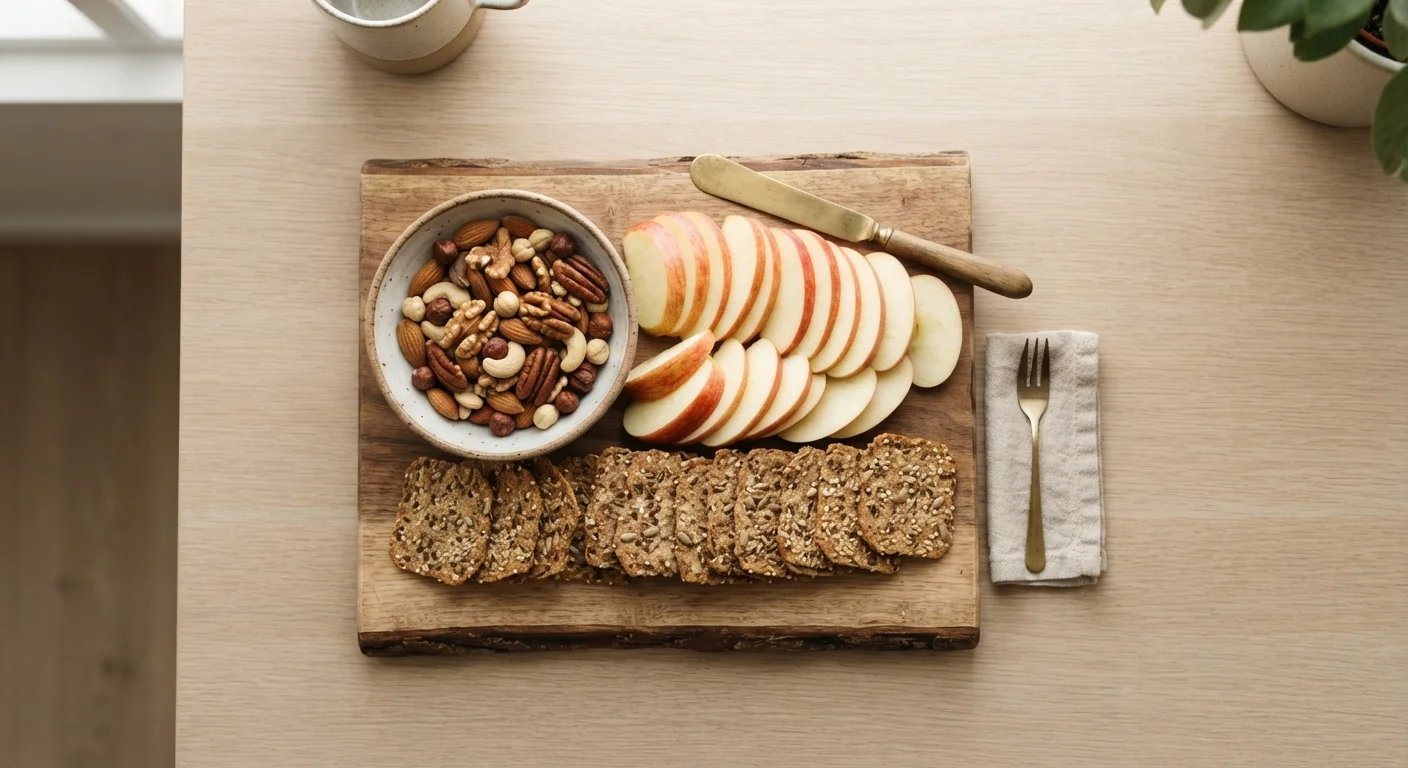
- Prioritize protein and fiber. Combinations like Greek yogurt with fruit, hummus with vegetables, or a small handful of nuts with whole-grain crackers create more lasting satiety than processed, high-sugar options.
- Watch portion sizing. Even nutritious foods contribute to overall calorie intake. Portioning snacks in advance — rather than eating from a larger container — supports more accurate awareness.
- Consider timing relative to meals. A snack eaten two to three hours before a meal may reduce overeating; one eaten thirty minutes before often just displaces it.
Hunger vs. Appetite: A Useful Distinction
Physical hunger builds gradually, is felt in the stomach, and can be satisfied by a range of foods. Appetite, by contrast, is often sudden, specific to a particular food, and triggered by external cues like smell, sight, or emotion. Recognizing which one is operating helps you decide whether a snack is genuinely needed. Neither response is wrong — but awareness creates more intentional choices.
This article is for general informational purposes only and is not a substitute for personalized medical or dietary advice. Consult a qualified healthcare provider or registered dietitian before making significant changes to your eating habits, especially if you have a chronic health condition.