

Key Takeaways
Deep Breathing for Stress Relief
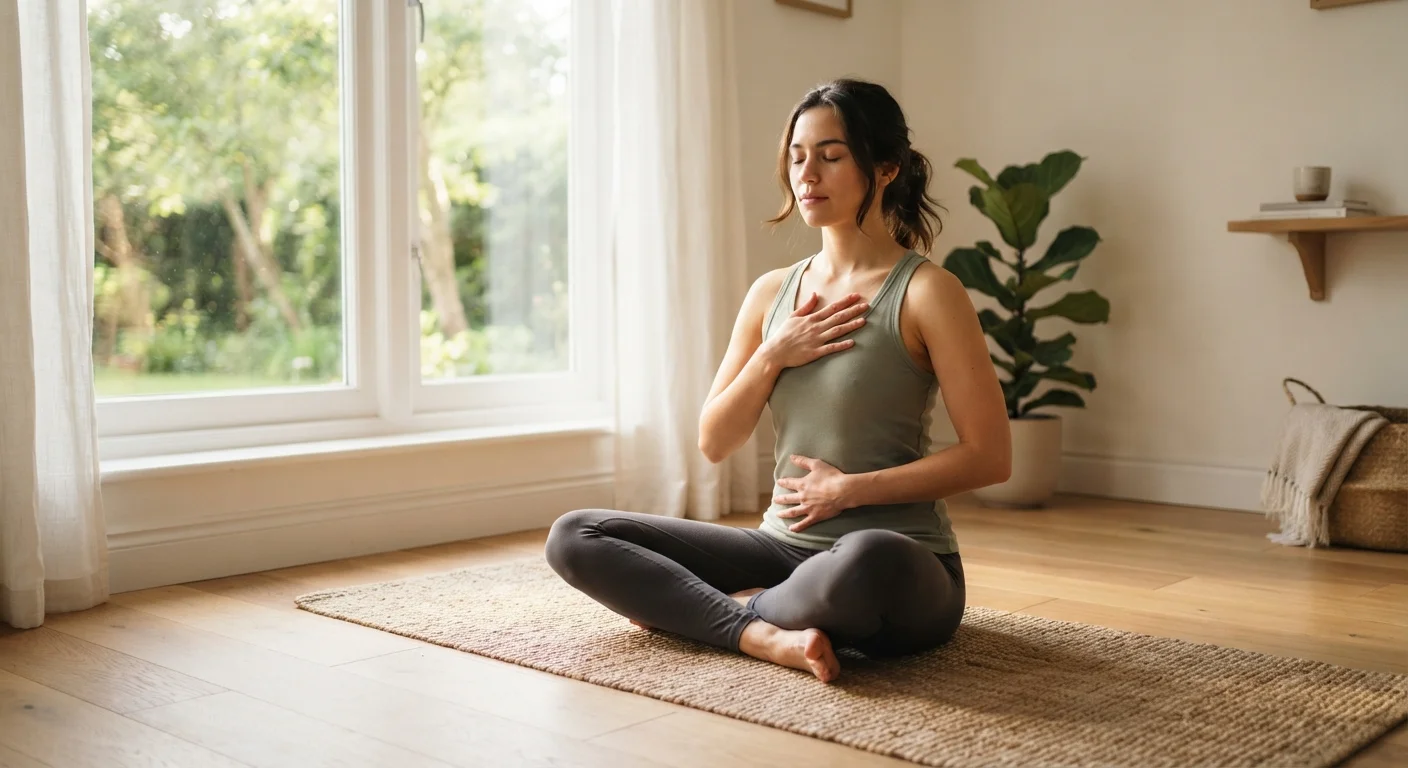
Deep breathing — also called diaphragmatic or controlled breathing — refers to slow, intentional breath patterns that engage the diaphragm more fully than ordinary shallow chest breathing. When practiced deliberately, these techniques activate the body's parasympathetic nervous system, which counters the physiological stress response. The result is a measurable shift in heart rate, muscle tension, and mental alertness that many people find calming.
Researchers often measure the effectiveness of breathing techniques through heart rate variability (HRV) and cortisol levels — both reliable markers of autonomic nervous system balance and physiological stress.
Why Researchers Take Breathing Seriously
For something as automatic as breathing, the idea that you can deliberately change it to alter your stress response might seem too simple to be real. Yet breath control has been studied in clinical and laboratory settings for decades — and the findings are more substantive than wellness marketing often suggests.
The key physiological link is the autonomic nervous system (ANS) — the body's internal regulator that governs heart rate, digestion, and the fight-or-flight stress response. The ANS has two branches: the sympathetic (accelerates stress responses) and the parasympathetic (restores calm). Slow, rhythmic breathing appears to shift the balance toward parasympathetic dominance, creating measurable changes in heart rate and cortisol output.
To understand the specific mechanisms behind this, see how controlled breathing calms the nervous system, which explores the vagus nerve's central role in this process.
What the Evidence Actually Shows
Research on breathwork has grown substantially, though it's worth being honest about its current scope. Most studies are small, use varying protocols, and measure outcomes differently — which makes sweeping conclusions premature. That said, the direction of the evidence is consistent.
5–6 bpm
Optimal breathing rate studied for HRV improvement
Research in applied psychophysiology suggests slow paced breathing near this rate consistently improves heart rate variability markers of autonomic balance.
~5 min
Time for parasympathetic activation to begin
Several laboratory studies indicate measurable shifts in autonomic nervous system activity can occur within minutes of initiating controlled breathing.
Decades
Length of clinical breathwork research history
Structured breathing interventions have been studied in medical and psychological research settings since at least the 1970s, with a significant acceleration in recent years.
A frequently cited area of research examines slow-paced breathing — typically around 5–6 breath cycles per minute — and its effect on heart rate variability (HRV), a measure of the nervous system's adaptability. Studies published in journals such as Applied Psychophysiology and Biofeedback have found that paced breathing at these rates increases HRV, which is associated with reduced stress reactivity. Similarly, research has linked controlled breathwork to modest reductions in salivary cortisol — a hormone the body releases in response to stress.
Clinical populations have also been studied. Individuals with generalized anxiety, hypertension, and post-traumatic stress have shown improved outcomes when structured breathing programs were incorporated alongside standard care. Importantly, researchers emphasize that breathwork in these contexts was a complement to treatment, not a replacement.
Not All Breathing Techniques Are the Same
One of the more important nuances the research surfaces is that different techniques appear to produce different effects — and choosing the right one for your situation matters. Diaphragmatic (belly) breathing builds a foundational awareness of full, slow breath cycles. Box breathing — inhale, hold, exhale, hold in equal counts — is often studied in acute stress and performance contexts. The 4-7-8 pattern, with its extended exhale, appears particularly suited to pre-sleep relaxation.
For a detailed breakdown of how each approach works and when to use it, breathing techniques backed by research walks through the practical distinctions. And if you want to compare their structures side by side, breathwork styles compared offers a useful overview.
The broader Breathwork & Yoga hub provides additional context on how these practices fit together as a discipline.
Consistency Appears to Matter More Than Intensity
One recurring theme across the research is that the benefits of breathwork tend to compound with regular practice. A single session can produce an immediate calming effect, but studies tracking participants over weeks suggest that daily or near-daily practice leads to more durable changes in stress reactivity and emotional regulation.
This mirrors what's observed in mindfulness research — which is closely related. For broader context on how consistent mental wellness practices build over time, the science behind mindfulness provides a useful parallel view.
Research specifically examining cumulative breathwork effects is explored in depth in the role of breathwork in stress resilience.
Start Small to Build a Consistent Habit
You don't need a lengthy formal session to begin benefiting from breathwork. Research suggests even brief, intentional breathing — a few minutes of slow, diaphragmatic breath once or twice daily — can be a meaningful starting point. Attaching your practice to an existing routine, like morning coffee or the moments before sleep, can make consistency much easier to maintain.
If you're exploring broader stress-relief strategies, it's also worth knowing what other evidence-based options exist — from progressive muscle relaxation to journaling for stress relief — so you can make an informed choice about what fits your life.
This article is for general informational purposes only and is not a substitute for professional medical or mental health advice. If you are experiencing significant stress, anxiety, or any health concerns, please consult a qualified healthcare provider.