

Key Takeaways
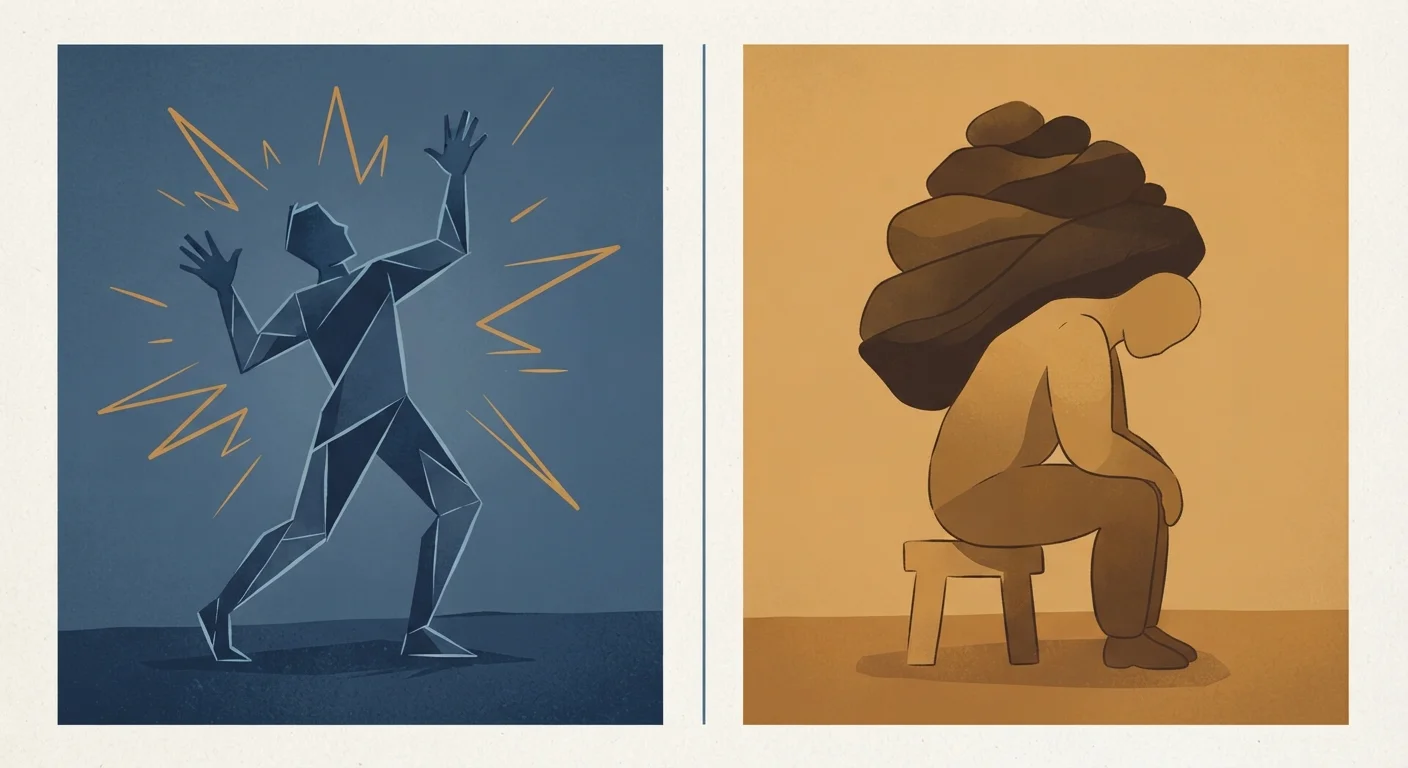
Option A
Acute Stress
The short-lived, purposeful pressure response.
Best for: Situations requiring a rapid burst of focus or physical energy, such as meeting a deadline or responding to a sudden challenge.
Option B
Chronic Stress
The persistent, health-eroding background strain.
Best for: Understanding when ongoing life pressures — financial worry, relationship conflict, caregiving — have become a sustained physiological burden requiring intervention.
If you're facing a one-time high-pressure event like a presentation or exam
Acute Stress
Acute stress in this context can heighten alertness and drive performance. Focus on short-term coping strategies like slow breathing and mental preparation.
If stress has been present nearly every day for months
Chronic Stress
Chronic stress requires structured, longer-term interventions — consistent sleep, professional support, and sustained lifestyle changes — not just momentary coping tactics.
If you're unsure whether what you feel is stress or anxiety
Chronic Stress
Persistent, free-floating tension that lacks a clear external cause may cross into anxiety territory. Consulting a mental health professional can clarify the distinction.
What Is Acute Stress?
Acute stress is the body's immediate, short-term reaction to a specific perceived threat or challenge. When you slam the brakes to avoid a collision, scramble to meet a work deadline, or feel your heart pound before a difficult conversation — that's acute stress at work.
The brain's amygdala detects a stressor and signals the hypothalamus to activate the sympathetic nervous system. This triggers a cascade of hormones — primarily adrenaline (epinephrine) — that elevate heart rate, sharpen focus, and redirect blood to muscles. This is the well-known fight-or-flight response, which evolved to protect us from immediate physical danger.
Crucially, once the stressor resolves, the parasympathetic nervous system takes over, restoring calm. This recovery is what makes acute stress physiologically manageable and, in the right doses, even beneficial — research suggests that brief stress episodes can temporarily enhance immune function and cognitive performance.
What Is Chronic Stress?
Chronic stress occurs when the stress response stays activated for prolonged periods — days, weeks, or months — without adequate recovery. Unlike acute stress, there is rarely a single, identifiable stressor. Instead, ongoing pressures like financial instability, a demanding job, caregiving responsibilities, or unresolved conflict compound over time.
When the body remains in a heightened stress state, cortisol — the primary long-term stress hormone — stays elevated. Over time, sustained high cortisol has been associated with disrupted sleep patterns, weakened immune response, elevated blood pressure, and increased inflammation. This is why chronic low-grade tension so often goes unnoticed until it starts affecting physical and mental health in visible ways.
It's also worth noting that chronic stress and anxiety can feel nearly identical from the inside — both involve persistent tension and worry. Understanding how they differ is an important step in choosing the right response.
| Criterion | Acute Stress | Chronic Stress |
|---|---|---|
| Duration | Minutes to hours | Weeks to months |
| Trigger | Specific, identifiable event | Ongoing or diffuse pressures |
| Primary hormone | Adrenaline (short burst) | Cortisol (sustained elevation) |
| Recovery | Natural, once stressor resolves | Requires deliberate, sustained effort |
| Health impact | Generally minimal; can be beneficial | Linked to immune, sleep, and cardiovascular effects |
| Best management approach | Breathing, grounding, movement | Lifestyle change, therapy, source reduction |
The Health Consequences: Why Duration Is Everything
The same hormonal system that protects you in a sprint becomes damaging in a marathon. Acute stress responses are designed to be temporary — the body expects recovery. Chronic stress denies that recovery window, which is where lasting harm can take root.
Research has associated long-term elevated cortisol with disrupted sleep architecture, which in turn perpetuates the stress cycle. The connection between chronic stress and poor sleep is now well-established: stress makes sleep harder, and poor sleep makes the stress response more sensitive — a feedback loop many people don't recognize they're caught in.
Acute stress, by contrast, rarely produces these compounding effects when recovery is allowed. In fact, some researchers use the term eustress to describe short-duration stress that motivates and strengthens resilience over time. The key variable in both cases is not the intensity of the stress, but whether the nervous system gets to return to baseline.
77%
Americans reporting physical stress symptoms
According to American Psychological Association surveys, a large majority of U.S. adults regularly experience physical symptoms they attribute to stress.
3x
Increased illness risk with chronic stress
Research published in psychological and immunology literature suggests chronically stressed individuals may show significantly elevated vulnerability to common infections.
60–80%
Primary care visits with stress-related components
Health authorities and researchers have consistently estimated that a majority of doctor visits involve a stress-related or stress-exacerbated element.
Practical Tools for Each Type
Because acute and chronic stress operate differently, they benefit from different approaches.
For acute stress: In-the-moment regulation techniques work well. Slow, diaphragmatic breathing — such as inhaling for four counts and exhaling for six — activates the vagus nerve and can accelerate the shift back to parasympathetic calm. Brief physical movement, grounding exercises, and even cold water on the face are supported by physiological evidence as fast-acting reset tools.
For chronic stress: Momentary coping is not enough. Durable recovery requires consistent habits: regular moderate exercise (which helps clear excess cortisol), structured sleep routines, social connection, and — when stress is significantly affecting daily functioning — working with a therapist or counselor. Mindfulness-based practices have a meaningful evidence base for reducing chronic stress reactivity when practiced consistently over weeks, not days.
It's also worth evaluating sources. Reducing or restructuring the chronic stressor itself — not just managing the response — is often the most effective long-term strategy. If persistent stress feels beyond self-management, speaking with a qualified healthcare provider is an important step, not a last resort.
This article is for general informational and educational purposes only and is not a substitute for professional medical or mental health advice. Always consult a qualified healthcare provider with questions about your individual health or well-being.