

| Population affected by SAD | ~5% of U.S. adults (American Psychiatric Association) |
| Most common SAD pattern | Late autumn onset, spring remission |
| Key biological driver | Reduced light exposure affecting serotonin and melatonin |
| Sub-threshold winter mood dip | More common than clinical SAD; often self-resolving |
| Summer SAD | Less common; may involve irritability, insomnia, reduced appetite |
| Professional evaluation recommended | When symptoms last 2+ weeks or impair daily functioning |
Why Moods Change With the Seasons
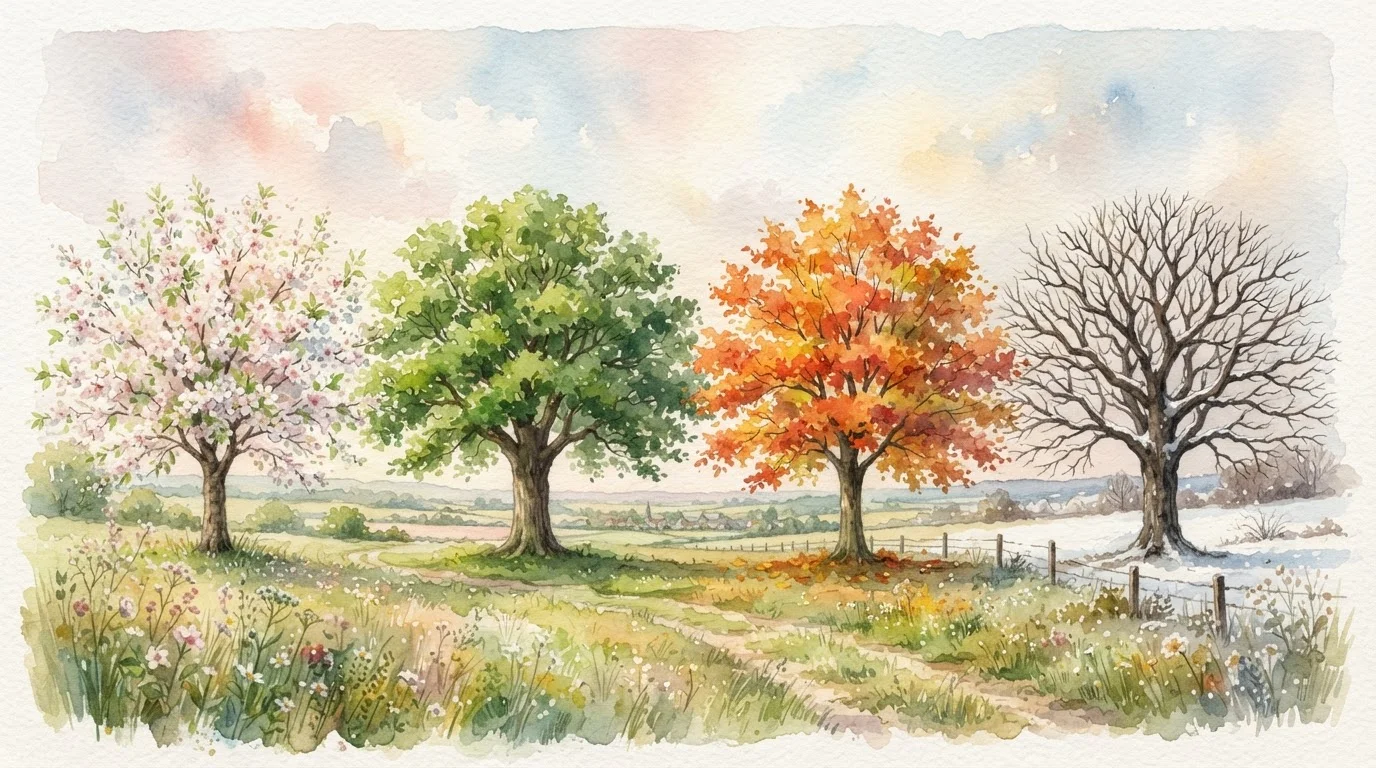
It's remarkably common to feel more energized in spring, a little slower in winter, or emotionally flat when daylight shrinks. These aren't character flaws or signs of fragility - they're responses to real biological signals your body receives from the environment.
Light is the primary driver. Shorter days reduce exposure to sunlight, which affects the brain's production of serotonin (a neurotransmitter linked to mood regulation) and disrupts the release of melatonin, the hormone that governs sleep-wake cycles. Research published in psychiatric and chronobiology literature consistently links reduced light exposure to increased fatigue, appetite changes, and low mood in a meaningful portion of the population.
Temperature, social routines, and physical activity levels also shift across seasons - and each of these can quietly shape how you feel day to day. Small daily habits like outdoor walks and consistent sleep schedules can buffer some of these seasonal influences, even when you can't control the weather.
| Population affected by SAD | ~5% of U.S. adults (American Psychiatric Association) |
| Most common SAD pattern | Late autumn onset, spring remission |
| Key biological driver | Reduced light exposure affecting serotonin and melatonin |
| Sub-threshold winter mood dip | More common than clinical SAD; often self-resolving |
| Summer SAD | Less common; may involve irritability, insomnia, reduced appetite |
| Professional evaluation recommended | When symptoms last 2+ weeks or impair daily functioning |
Common Seasonal Patterns: A Reference Guide
Understanding the spectrum of seasonal mood experiences can help you locate your own experience on the map - and decide whether what you're noticing is within the range of typical variation or something worth discussing with a professional.
Seasonal Affective Disorder (SAD)
A clinically recognized subtype of depression characterized by recurrent depressive episodes tied to a specific season, most often winter. It requires professional evaluation and diagnosis.
Serotonin
A neurotransmitter - a chemical messenger in the brain - associated with mood regulation, emotional stability, and feelings of wellbeing. Sunlight exposure influences its production.
Melatonin
A hormone produced by the brain's pineal gland that regulates the sleep-wake cycle. Its release is influenced by light levels and can be disrupted by seasonal changes in daylight.
Sub-threshold mood shift
Mood changes that are noticeable and uncomfortable but do not meet the clinical criteria for a diagnosable condition. These are common, especially in winter, and often resolve naturally.
Chronobiology
The scientific study of biological rhythms - including daily and seasonal cycles - and how they influence physiology, behavior, and health.
Winter Low Mood (Sub-threshold)
Many people report feeling heavier, more withdrawn, or less motivated during the colder, darker months without meeting criteria for any clinical diagnosis. Increased carbohydrate cravings, a desire to sleep more, and reduced socializing are all frequently reported. These patterns often lift naturally as daylight returns.
Seasonal Affective Disorder (SAD)
SAD is a clinically recognized condition - a subtype of depression - in which depressive episodes recur in a seasonal pattern, most commonly beginning in late autumn and resolving in spring. It's estimated to affect roughly 5% of U.S. adults, according to the American Psychiatric Association. Symptoms go beyond winter sluggishness and include persistent low mood, loss of interest in activities, significant changes in sleep or appetite, and difficulty functioning. A qualified healthcare provider is needed to evaluate and diagnose SAD.
Summer Mood Shifts
Less commonly discussed, some people experience mood disruption in warmer months - including irritability, restlessness, reduced sleep, or low appetite. A smaller subset experiences a summer pattern of SAD. Heat, disrupted routines, and increased social demands may all contribute. Understanding where ordinary rough days end and persistent low mood begins can be genuinely useful here.
When to Pay Closer Attention
Seasonal mood shifts exist on a continuum. At one end is mild, temporary variation that most people manage without intervention. At the other end are patterns that significantly impair daily life and warrant professional evaluation.
Consider reaching out to a healthcare provider if you notice:
- Mood changes that last two weeks or longer without lifting
- Significant disruption to sleep, appetite, or energy - not just mild shifts
- Withdrawal from relationships or activities you normally value
- Difficulty meeting responsibilities at work, home, or school
- Thoughts of hopelessness or self-harm (in which case, seek support promptly)
Sleep is deeply intertwined with mood regulation. If you're unsure whether your fatigue is sleep-related or mood-related, your body often flags sleep problems in ways that go beyond nighttime symptoms.
Tracking your patterns over time is one of the most practical things you can do. A simple personal mood check-in helps you notice whether seasonal dips are consistent, worsening, or spreading outside their usual window - useful information for you and any provider you consult.
This article is for general informational and educational purposes only and is not a substitute for professional medical or mental health advice. If you are concerned about your mood or mental health, please consult a qualified healthcare provider.