

Key Takeaways
The Blue Light Narrative Misses Most of the Story
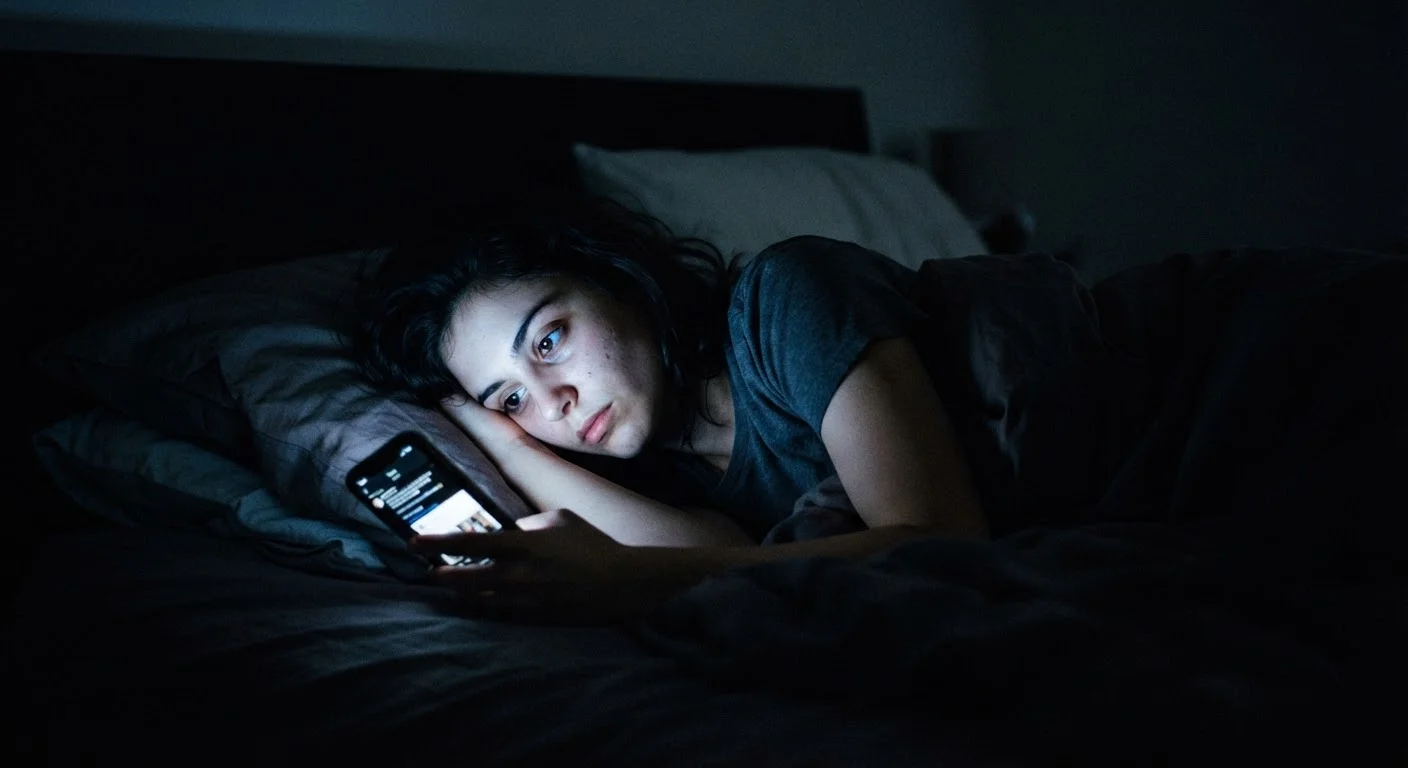
When conversations turn to screens and sleep, blue light dominates the discussion. And there's legitimate science behind it: research shows that short-wavelength (blue) light emitted by phones, tablets, and televisions can suppress melatonin—the hormone that signals to your body it's time to sleep. But reducing the entire problem to blue light oversimplifies what's actually happening in your bedroom each night.
The content you're consuming, the emotional responses it triggers, and the time you spend doing it all play a significant role in disrupting your sleep architecture. Understanding the full picture is essential for making changes that actually work. For a broader look at pre-bed behaviors and their real impact, see Sleep Hygiene Unpacked.
Relying solely on night mode or blue-light-blocking glasses as a complete solution.
Why it happens: Night mode is heavily marketed and genuinely does reduce blue light—so many people assume enabling it means they've addressed the problem.
Watching stimulating or emotionally charged content right before bed.
Why it happens: Evening is prime time for streaming, and cliff-hangers or tense storylines are designed to keep viewers engaged—making it easy to lose track of the psychological cost.
Scrolling social media or news feeds as a way to 'wind down.'
Why it happens: Passive scrolling feels restful compared to active tasks, but social feeds are engineered for unpredictable engagement—each swipe brings possible novelty, keeping the brain alert.
Keeping devices in the bedroom where notifications can interrupt sleep.
Why it happens: Most people use their phone as an alarm clock, making it feel necessary to keep nearby—but that same proximity invites habitual checks throughout the night.
Underestimating how late screen use shifts your internal clock over time.
Why it happens: The effects of light exposure on circadian rhythm are cumulative and gradual, so a single late-night session seems harmless—but a consistent pattern delays your sleep phase noticeably.
Practical Steps to Reclaim Your Sleep Window
Avoiding these common mistakes doesn't require eliminating screens from your life—it requires being intentional about how, when, and what you use them for in the hours before bed. Prioritize low-stimulation screen activities if you must use a device: reading a static article or listening to calm audio is markedly different from watching a tense drama or engaging in social media debates.
Consider setting a consistent screen-off time roughly 30 to 60 minutes before your intended sleep time. This window doesn't need to be perfectly dark—dim, warm-toned ambient light and quiet activities can support your body's natural wind-down. You can also evaluate your full pre-bed routine using the evening routine audit checklist to identify additional friction points you may not have noticed.
90%
Americans who use screens before bed
A National Sleep Foundation poll found that roughly 90% of Americans use some form of electronic device in the hour before sleep.
~10 min
Average delay in sleep onset from evening light exposure
Research published in sleep science literature suggests even moderate light exposure before bed can delay sleep onset by approximately 10 minutes or more on average.
1–3 hrs
Melatonin suppression duration after bright evening light
Studies indicate that bright light exposure in the evening can suppress melatonin production for one to three hours after the light source is removed.
For a more nuanced take on which screen-related concerns are well-supported by evidence and which are overstated, Screen Time Before Bed: Separating Legitimate Concerns from Overstated Ones offers a helpful counterbalance. And if you're noticing signs of persistent sleep disruption—daytime fatigue, mood changes, difficulty concentrating—those symptoms deserve attention beyond habit adjustments. Learn what your body may be signaling in Reading Your Sleep.
This article is for informational purposes only and is not a substitute for professional medical advice. If you are experiencing ongoing sleep difficulties, consult a qualified healthcare provider.