

Key Takeaways
When Results Don't Reach the Right People at the Right Time
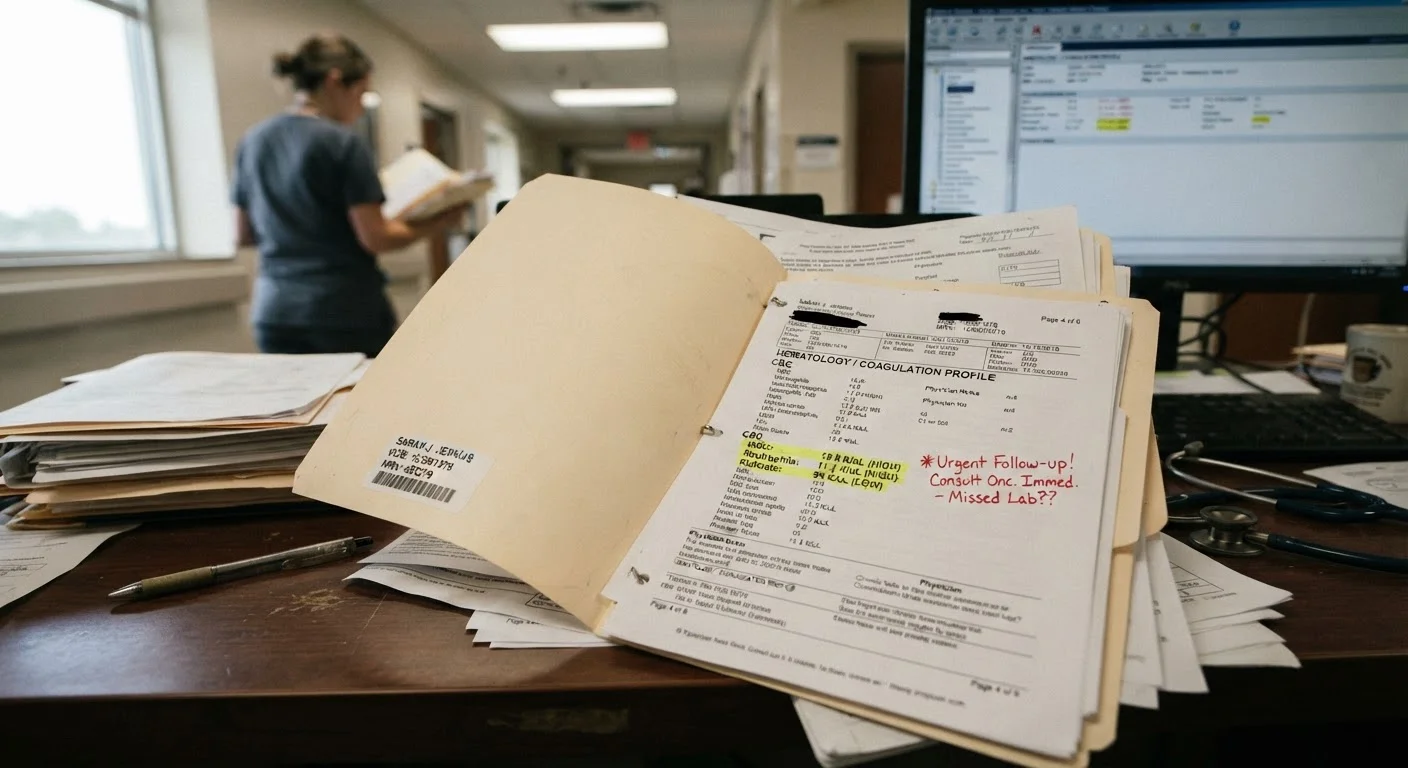
Preventive screenings are only as effective as what happens after the test. A colonoscopy, blood panel, or mammogram that flags an abnormality does its job—but if that result isn't communicated clearly, followed up promptly, or properly understood, the clinical benefit evaporates. Research published in peer-reviewed patient safety journals has documented that a meaningful percentage of abnormal test results fail to prompt timely follow-up, often due to fragmented communication between labs, providers, and patients.
This isn't solely a healthcare system problem. Patient behavior, health literacy, and the absence of a personal tracking system all contribute. Understanding the most common failure points—and what to do about each—is a practical form of self-advocacy that can make a measurable difference in outcomes. For a grounding overview of what common screenings actually detect, see what each routine screening test looks for.
No News Is Not Always Good News
Many patients assume that if their provider doesn't call, their results were normal. Research has shown this assumption contributes to delayed diagnoses. If you haven't received results within the expected timeframe, contact your provider's office directly to confirm receipt and interpretation. Do not wait indefinitely.
The Most Common Mistakes—and How to Avoid Them
The gaps that allow screening results to be missed or ignored tend to follow recognizable patterns. Some stem from communication breakdowns within clinical workflows. Others reflect patient-side assumptions that feel reasonable but carry real risk. The following common errors are worth knowing before your next screening—not to alarm you, but to help you engage more actively with your own care.
Assuming the provider's office will always notify you of abnormal results.
Why it happens: Patients reasonably expect that a concerning finding will trigger an automatic call or message. In practice, communication failures—staffing gaps, misrouted results, or unclear follow-up workflows—mean some abnormal results are never communicated.
Not keeping a personal record of completed screenings and their outcomes.
Why it happens: Most people rely entirely on their provider's electronic health record to track their history. However, records don't always transfer between systems when patients change providers, insurance, or care settings.
Dismissing an 'abnormal' result as a lab error or false alarm without follow-up.
Why it happens: Abnormal results can feel alarming, and denial is a natural psychological response. Some patients also receive reassurance from well-meaning friends that such results are 'usually nothing,' which discourages timely action.
Losing track of recommended follow-up tests or specialist referrals.
Why it happens: After a screening flags a concern, patients are often told to schedule additional imaging or a specialist visit. Without a clear system for tracking those instructions, the referral quietly disappears from attention.
Skipping screenings entirely because previous results were normal.
Why it happens: A clean bill of health can create a false sense of permanent security. Patients who had normal results years ago often deprioritize repeat screenings, not realizing that risk profiles change with age, family history, and lifestyle.
If routine screenings are unfamiliar territory, a starter guide for adults new to routine checkups can help establish the foundation before building better follow-up habits.
Building a System That Doesn't Rely on Memory Alone
The single most durable fix for missed or ignored results is replacing passive expectation with an active personal system. This doesn't require sophisticated tools—a shared notes app, a physical folder, or a dedicated section in a health binder all work. The goal is to know, at any moment, what screenings you've completed, when they were done, what the results were, and what follow-up, if any, was recommended.
7%–62%
Range of abnormal results lacking documented follow-up
A systematic review in the Archives of Internal Medicine found wide variation across practice settings in the percentage of abnormal test results that lacked documented clinician follow-up.
1 in 3
Patients unaware of an abnormal result
Studies cited by the Agency for Healthcare Research and Quality suggest roughly one in three patients with an abnormal finding are not informed by their provider within a clinically appropriate window.
Clinics and health systems increasingly offer patient portals where lab results are posted directly. Enrolling in your provider's portal and setting result notifications to 'on' adds a layer of redundancy to the process. Still, portals vary in how quickly results appear and how clearly abnormal values are flagged—so portal access complements but doesn't replace direct communication with your provider.
For practical strategies on scheduling and tracking screenings consistently over time, making preventive care a consistent habit offers a structured approach worth bookmarking. And if you're also thinking about immunization gaps alongside screening gaps, common gaps in vaccine protection addresses a closely related preventive care blind spot.
This article is for general informational purposes only and is not a substitute for professional medical advice, diagnosis, or treatment. Always consult a qualified healthcare provider with questions about your screening results or health history.