

Key Takeaways
Daily Hydration
Daily hydration refers to the ongoing process of maintaining an adequate balance of water and electrolytes in the body throughout the course of a normal day. The body continuously loses water through breathing, sweating, digestion, and urination, so those losses must be consistently replaced. Hydration is not a single event — drinking one large glass of water in the morning doesn't compensate for inadequate intake the rest of the day.
Fluid balance is regulated primarily by the kidneys, antidiuretic hormone (ADH), and the thirst mechanism, which together adjust urine output and fluid retention in response to changes in blood osmolality.
The Problem with the Eight-Glasses Rule
The familiar advice to drink eight 8-ounce glasses of water per day — often called the "8x8 rule" — is widely repeated but not strongly supported by clinical evidence. It functions as a memorable heuristic, not a medical prescription. Fluid needs vary considerably from person to person and even from day to day for the same individual.
What your body actually requires depends on multiple intersecting factors: how physically active you are, the temperature and humidity of your environment, your body composition, your diet, any medications you take, and whether you have underlying health conditions. A sedentary office worker in a cool climate has meaningfully different needs than a construction worker in summer heat.
Framing hydration as a fixed daily quota can lead to two problems: some people drink more water than necessary while others assume they've met their requirement before they actually have. Understanding the signals your body sends — and the contexts that shift those signals — is a more reliable approach.
75%
Americans estimated to be chronically under-hydrated
Frequently cited in public health and nutrition discussions, though precise national estimates vary across surveys and methodologies.
1–2%
Body water loss that triggers cognitive impairment
Research published in the Journal of Nutrition and other peer-reviewed sources identifies this threshold as the point where concentration and mood can measurably decline.
~20%
Daily fluid intake from food sources
The National Academies of Sciences estimates that roughly 20% of daily water intake comes from solid food, particularly fruits and vegetables.
How the Body Signals Fluid Needs
Thirst is the body's primary hydration alarm, but it's an imperfect one. Research suggests that mild dehydration — typically defined as losing about 1–2% of body weight in water — can measurably affect cognitive performance, mood, and physical capacity before a strong sense of thirst registers. This lag is more pronounced in older adults, whose thirst sensation tends to diminish with age.
A more reliable day-to-day indicator is urine color. Pale yellow urine generally suggests adequate hydration. Dark yellow or amber urine typically indicates the need to drink more fluids. Colorless urine may suggest over-hydration, though this is rarely a concern under normal circumstances.
Other early cues worth paying attention to include unexplained fatigue mid-afternoon, difficulty concentrating, a dry mouth, or a mild headache without an obvious cause. These are often dismissed as unrelated, but adequate hydration is worth addressing first before assuming another cause.
When Hydration Needs Change
Several common situations raise daily fluid requirements noticeably:
- Physical activity: Sweat losses during exercise can be substantial, ranging from less than one liter to more than two liters per hour depending on intensity and environment. Fluid replacement during and after activity is important, and prolonged exertion may also require electrolyte replenishment.
- Hot or humid weather: Environmental heat increases sweat output even without vigorous activity. Air travel and air-conditioned environments can also promote fluid loss through increased respiration.
- Illness: Fever, vomiting, and diarrhea each accelerate fluid loss. Maintaining hydration during illness is especially important and may require guidance from a healthcare provider for more serious cases.
- Pregnancy and breastfeeding: Fluid needs increase during both. Individuals in these situations should consult their healthcare provider for personalized recommendations.
- Certain medications: Some medications, including diuretics, can increase fluid loss. If you take medications regularly, discuss hydration needs with your prescribing provider.
Building Practical Hydration Habits
Because thirst can lag behind need, building small, consistent habits across the day is more effective than sporadic large amounts. A few approaches that work for many people:
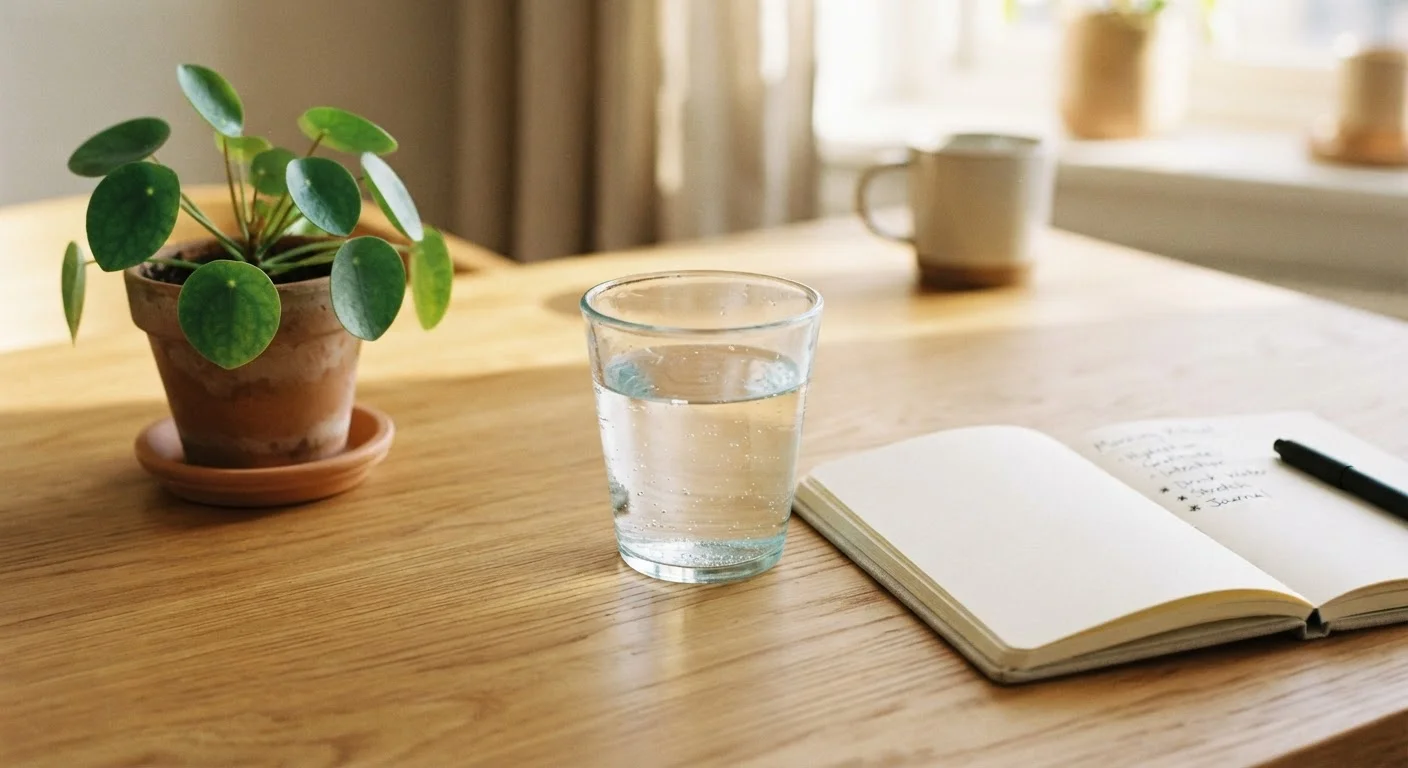
- Keep a reusable water container visible at your workspace or kitchen counter as a passive reminder.
- Pair hydration with existing daily anchors — a glass of water before each meal, for example, or at the start and end of a commute.
- Include water-rich foods in meals and snacks. Fruits such as watermelon, strawberries, and oranges, and vegetables such as cucumbers and celery, contribute meaningfully to daily fluid intake.
- Check urine color periodically as a simple, zero-cost feedback tool.
Beverages beyond plain water — including herbal teas, milk, and diluted fruit juice — all contribute to fluid intake. Coffee and tea, despite containing caffeine, also count toward total hydration for most people. Sugary drinks and alcohol, however, come with trade-offs that affect overall health beyond hydration alone.
This article is for general informational purposes only and does not constitute medical advice. Speak with a qualified healthcare provider if you have concerns about your personal hydration needs or health status.